How Lake Homes Are Appraised in the Brainerd Lakes Area: What Sellers Should Know
How appraisers value shoreline, frontage, and same-lake sales, why lakefront appraisals come in low more often, and what Brainerd Lakes sellers can do to protect their value.

Noah Goedker
Elevate Group · eXp Realty
When a lake home goes under contract, the next number that matters is not the listing price or the offer. It is the appraisal. Lake property is appraised differently than a house on a city street, and in the 2026 market, where homes across Crow Wing County are spending roughly 94 days on the market against about 59 a year earlier, an appraisal that lands below the contract price can stall a sale that took months to build. The good news is that the process is understandable, and most of the risk can be addressed before the appraiser ever visits. Here is how lake homes are appraised in the Brainerd Lakes Area and what you can do to protect your value.
Appraisers Value the Shoreline Separately From the House
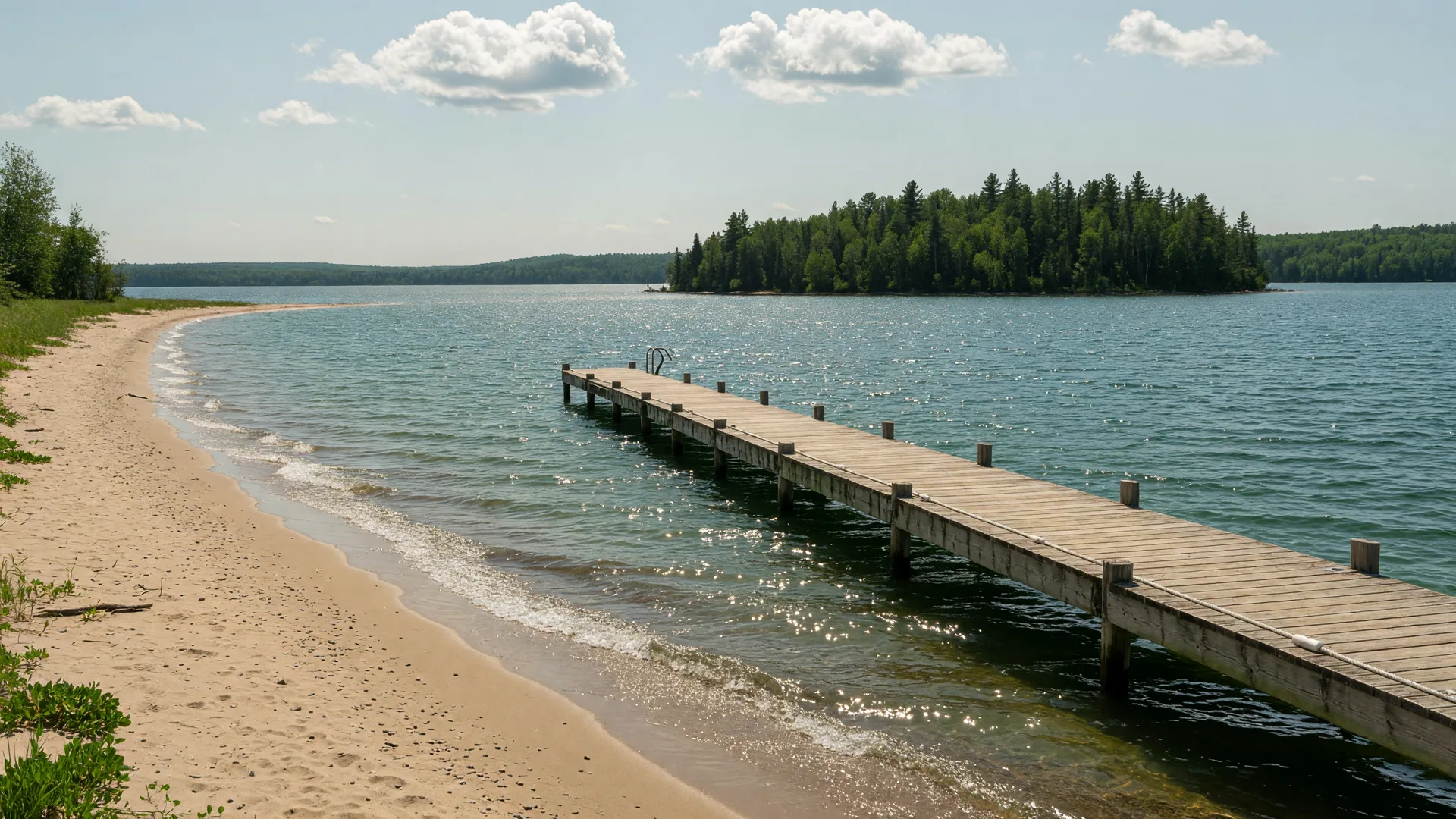
The biggest difference between appraising a lake home and an ordinary house is that the water is valued as its own asset. Minnesota appraisers and assessors analyze lakeshore value per foot of frontage, per acre, and per square foot, and shoreline is typically valued separately from the home itself. That means the length and type of your shoreline, sand beach versus a rocky or marshy bank, slope, water depth at the dock, and the quality of the lake all carry real weight in the number. Two homes that look identical in the photos can appraise very differently because of what the water does for them.Same-Lake Sales Are the Comparables That Matter
An appraiser values a lake home primarily with the sales comparison approach, and the comparables have to come from the same lake, or at least the same waterfront submarket. A recent sale on the same shoreline with similar frontage, depth, and privacy is worth ten sales from across the county. This is exactly why an automated estimate and a price-per-square-foot comparison fail on lake property, and why price per square foot does not work for lake homes. The appraiser is looking for what buyers actually paid for the water, and that only shows up in lake sales.Why Appraisals Come in Low More Often on Lakefront
Waterfront and one-of-a-kind properties have fewer recent comparable sales to work from, and when there are not enough same-lake sales, an appraiser cannot justify the premium a buyer was willing to pay for a specific view or bay. Nationally, roughly 8 percent of appraisals fall below the contract price, and the rate runs higher on waterfront and custom homes. In a market where buyers are comparing more properties and negotiating harder, the gap between the offer and what the market data supports is the risk sellers need to manage before it becomes a problem.How Sellers Protect the Value Before the Appraiser Arrives
What Happens When the Appraisal Comes in Low
When the appraisal lands below the contract price, the lender sizes the loan on the appraised value, the lower of the two, and the difference becomes an appraisal gap that has to be covered with cash, renegotiated, or walked away from. Sellers in that position have real options: challenge the appraisal with comparable sales and documentation the appraiser may not have seen, meet the buyer partway, or negotiate different terms. The conversation goes much better when the property file is strong from day one, and when the price was set on evidence, not hope. For the full pricing picture, see how to price a lake home in the Brainerd Lakes Area and how to find out what your lake home is worth.The Bottom Line
Appraisals do not have to be a surprise. Know the real value of your lake home before you list it, price it from the sales that actually happened on your lake, and document the shoreline and waterfront features that drive value, and you give the appraiser everything needed to support the number. Choose the right price, understand how the property is valued, and the appraisal becomes the confirmation, not the crisis.If you are thinking about selling, schedule a conversation and we will put together a same-lake pricing analysis and a property file built to hold up at appraisal. You can also request a lake-home valuation or start with our selling guide. Cheers!
Have Questions About Lake Property?
We help buyers and sellers navigate lake-home decisions with clarity and local expertise. Let's talk about your situation.