Brainerd Lakes Area · Central Minnesota
The Ultimate Brainerd Lakes Area Relocation Guide
This guide is for anyone considering a move to the Brainerd Lakes Area: families, retirees, second-home buyers, remote workers, and out-of-state shoppers who want to understand what lake-country living in central Minnesota really means before they make a move. It covers the communities, the cost of living, schools, healthcare, jobs, recreation, seasons, and the practical realities of relocating here. It was written by the Elevate Group team, local specialists who have spent a lifetime in the Lakes Area, brokered by eXp Realty.
Figures like tax rates, school data, and market numbers change. Where they do, this guide says so plainly and points you to the current source instead of guessing. This guide was last reviewed in October 2026.
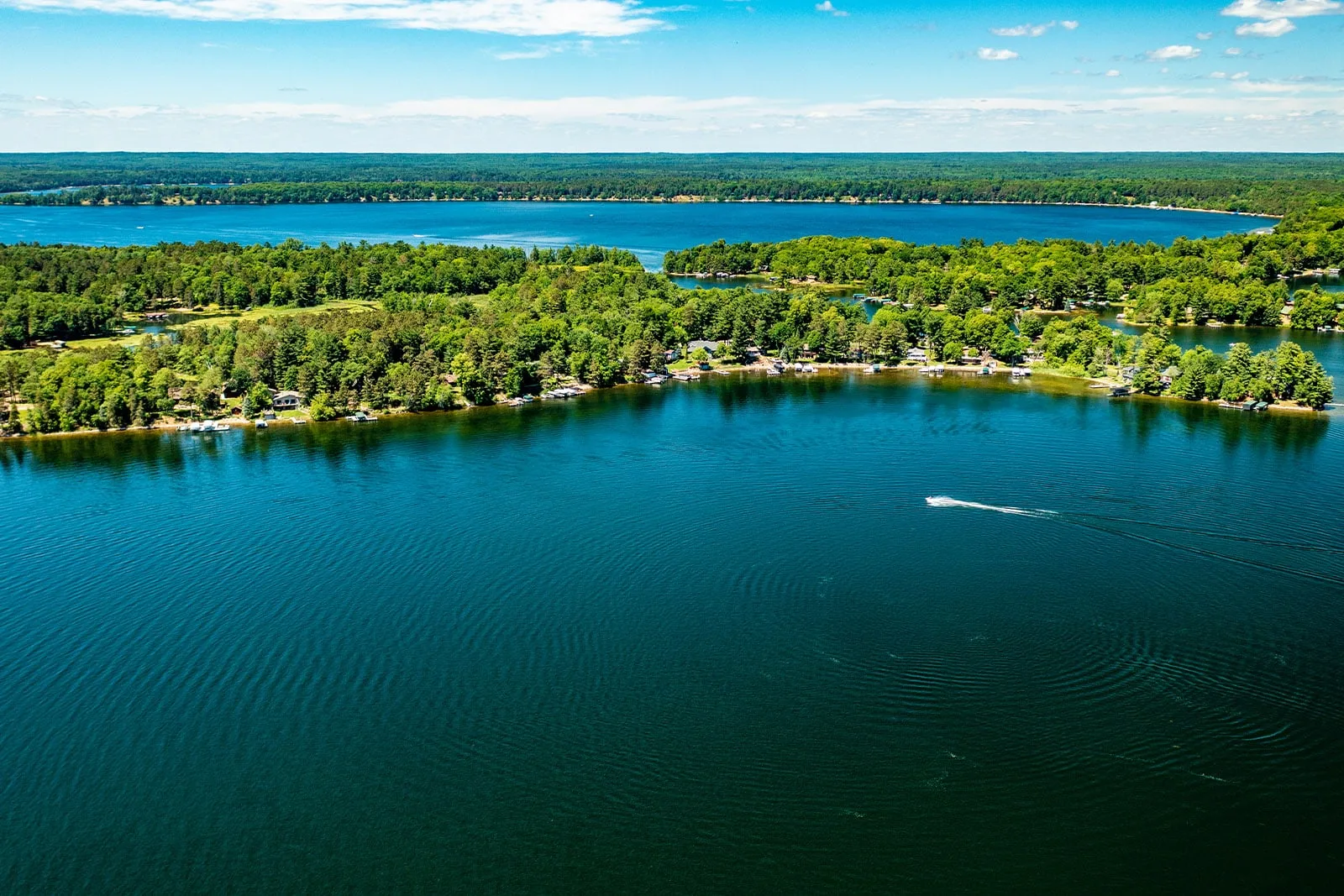
125 to 130 miles
From the Twin Cities, a typical 2 to 2.5 hour drive
14 lakes
Connected in the Whitefish Chain for endless boating
115+ miles
Of paved Paul Bunyan State Trail, Minnesota’s longest
4 seasons
From 80-degree summers to snowy, active winters
Why People Move to the Brainerd Lakes Area
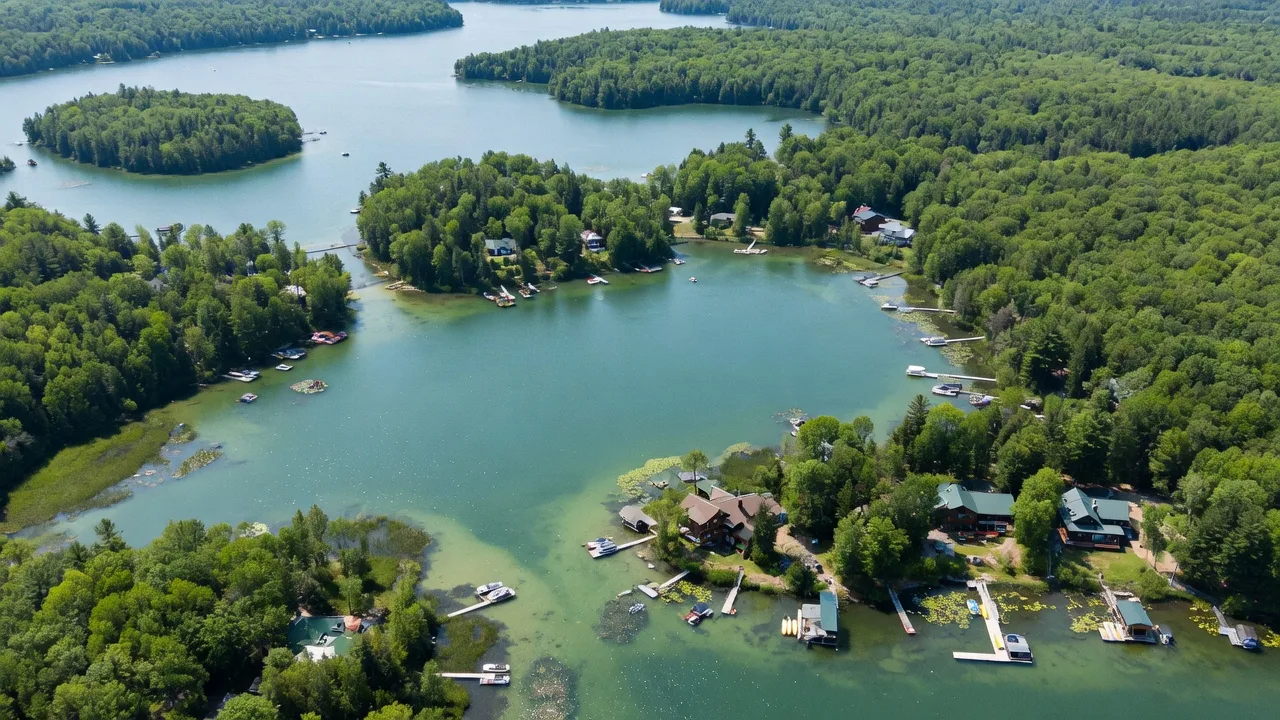
The most honest answer is simpler than most people expect: people move here because life at the lake is worth rearranging a life for. The Brainerd Lakes Area sits in the heart of central Minnesota, roughly 125 to 130 miles north of Minneapolis and Saint Paul, a drive that usually takes two to two and a half hours. It is one of the most beloved lake regions in the state, an area built around water, woods, and the people who choose both.
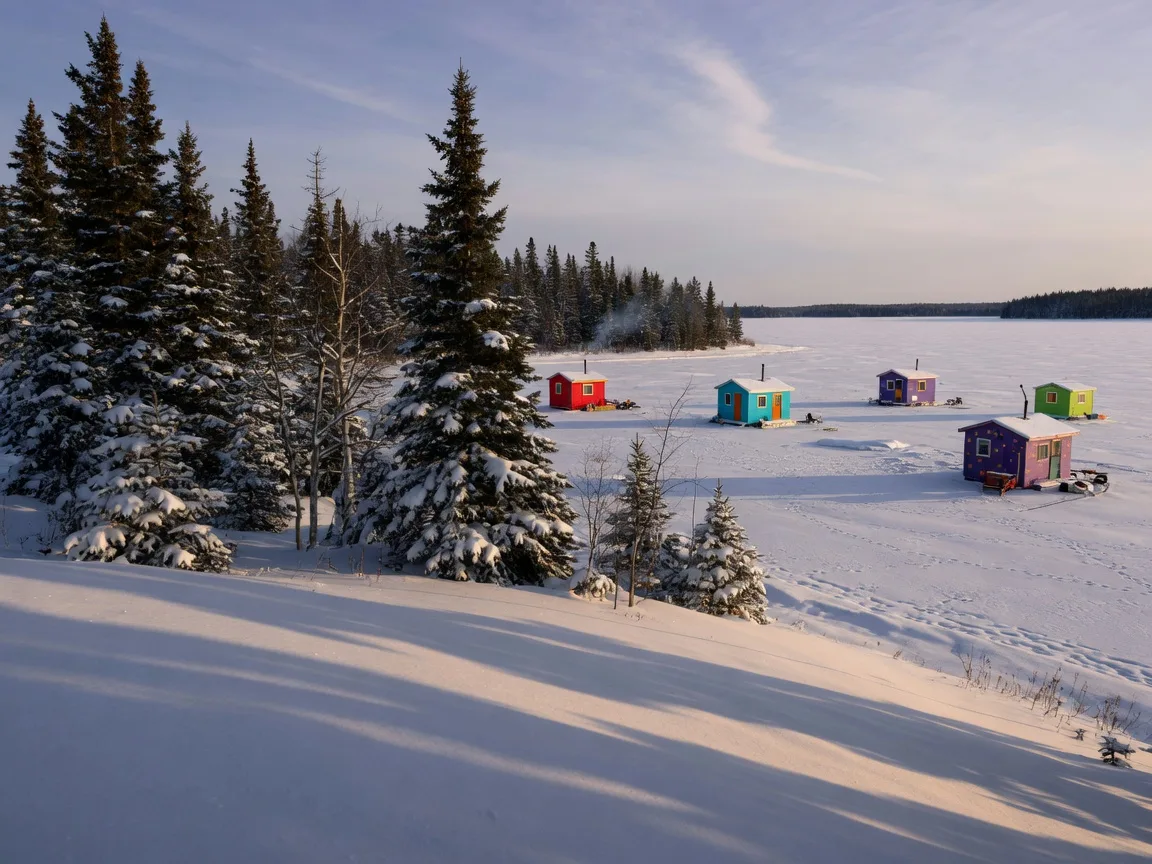
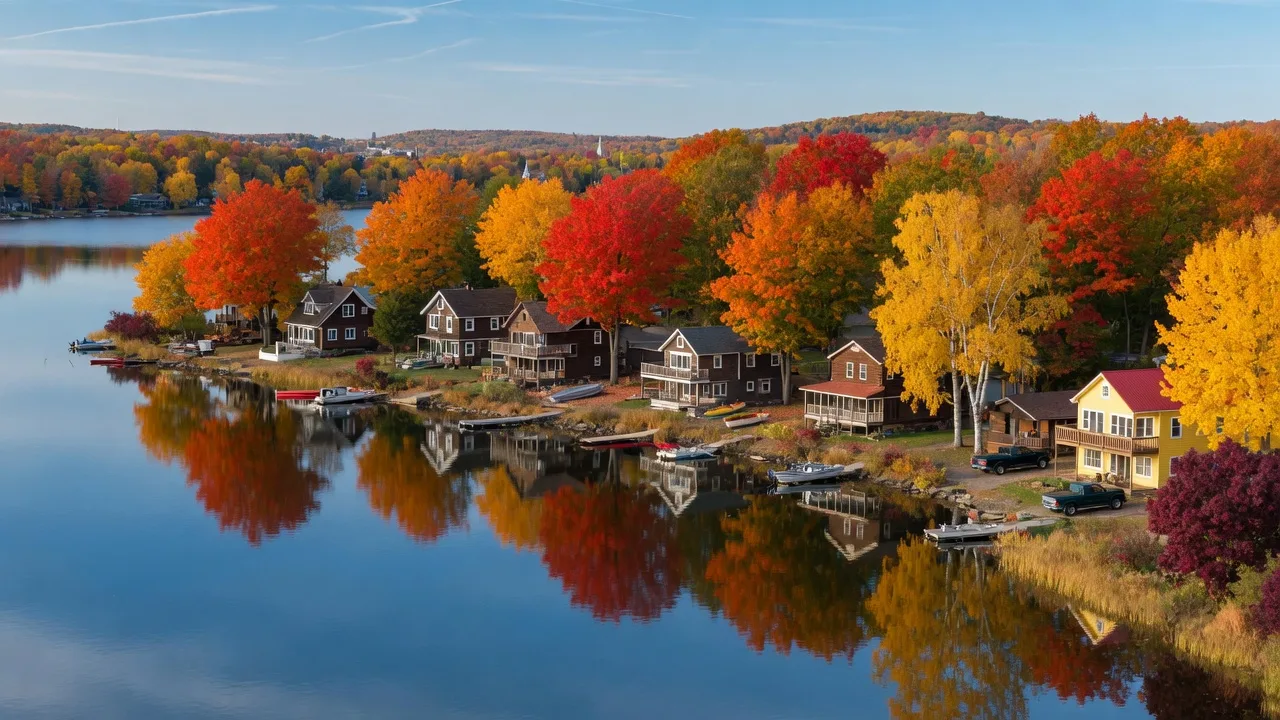
What surprises newcomers is how much happens here year-round. Summer means boating, swimming, fishing, and community events. Fall turns the shoreline gold and red. Winter brings ice fishing, snowmobiling, and skiing. Spring means ice-out and the anticipation of another season on the water. With close to 500 lakes across the area, from quiet pothole lakes to big recreational waters like Gull Lake and the Whitefish Chain, there is a version of lake life for nearly every kind of buyer.
Community here is real. Towns like Nisswa, Crosslake, and Pequot Lakes have downtowns built for slowing down. Brainerd and Baxter provide the services, healthcare, and retail that make full-time living practical. People wave on the water, neighbors look out for each other, and the pace of life genuinely feels calmer.
Most of the buyers we work with did not decide to move on a whim. Something changed: retirement became real, the grandkids arrived, a job went remote, or a weekend rental turned into "why are we waiting?" If you are at one of those turning points, this guide walks through what the move actually involves, so you can decide with good information instead of guesswork.
Space to breathe and water to play on
A place the whole family wants to return to
Lower everyday costs than the metro in many areas
Recreation as part of daily life, not a vacation
A welcoming, neighborly culture
Four real seasons, each with its own reason to stay
Cost of Living & Taxes
The cost of living in the Brainerd Lakes Area is generally lower than the Twin Cities metro for most everyday expenses, with housing as the big variable. Waterfront property carries a premium that off-water homes do not, which is why "cheaper than the city" is true for many neighborhoods and completely wrong for the most desirable lakefront. Budget for the home you actually want, not the regional average.
Sales Tax
Minnesota’s state sales tax is 6.875%. Brainerd and Baxter each add local-option taxes that bring the total to about 7.875% in those cities, while Crosby sits around 7.375% (state plus a county transportation district tax). Rates are set to change occasionally, so check the Minnesota Department of Revenue before relying on them.
revenue.state.mn.usIncome Tax
Minnesota has a progressive income tax with four brackets, from 5.35% up to a 9.85% top marginal rate (2025 brackets), with a standard deduction of $14,950 for single filers and $29,900 for married couples filing jointly. Retirees should have a tax advisor review how retirement income is treated, because the rules have changed recently.
revenue.state.mn.usProperty Tax
Property taxes are set locally by county, city, school district, and special districts, so they vary by community and by property. Waterfront is typically assessed for its lake value, including frontage and shoreline, not just the house. Owner-occupied homes may qualify for homestead treatment; ask the Crow Wing County Assessor about classification for the property you are considering.
crowwing.govUtilities & Heating
Heating a Minnesota home in winter is a real line item, and costs depend on whether a property runs on natural gas, propane, electric, or wood. Waterfront properties also carry dock, lift, insurance, and seasonal maintenance costs that off-water homes do not. Build a realistic monthly budget with all of it included.
Everything above changes over time. Tax brackets, exemptions, and rates are adjusted regularly. Treat these figures as a starting point, then verify current numbers with the Minnesota Department of Revenue, the county assessor, and a tax advisor.
Housing Market Overview
The Brainerd Lakes Area housing market is really two markets in one. Off-water homes and town properties behave much like any healthy central-Minnesota market, with a wide range of prices and steady year-round demand. Waterfront property is its own animal: it is scarcer, priced by lake, shoreline, frontage, and views, and it attracts buyers from across the state and country, especially in spring and summer.
Elevate Group works most closely with lake homes and higher-end properties, typically in the $800,000 to $5 million range, from year-round family homes to legacy lake estates. Price per square foot barely means anything on lake property, because the lake, shoreline, and setting drive the value far more than the house does. That is why two similar-looking homes a mile apart can price very differently, and why the wrong pricing advice costs real money.
Market numbers here move with the seasons, and the most recent quarter\u2019s statistics go stale quickly. Rather than quote figures that will be out of date by the time you read this, we will give you current, local numbers directly: average days on market, list-to-sale ratios, waterfront trends, and what is actually selling in the towns and lakes you care about.
If you are thinking about building, know that most lake lots are governed by state shoreland rules and county zoning, septic siting is often the deciding factor for a buildable lot, and construction timelines in the area have real lead times. We work with buyers on land, new construction, and resale, and we can connect you with local builders we trust.
Find Your Lake Town
The single most important decision in a lake-area move is usually not the house. It is the town and the lake. The communities here have distinct characters, and the right fit depends on your season of life. These are the nine towns we work with most, described the way we talk about them to friends.
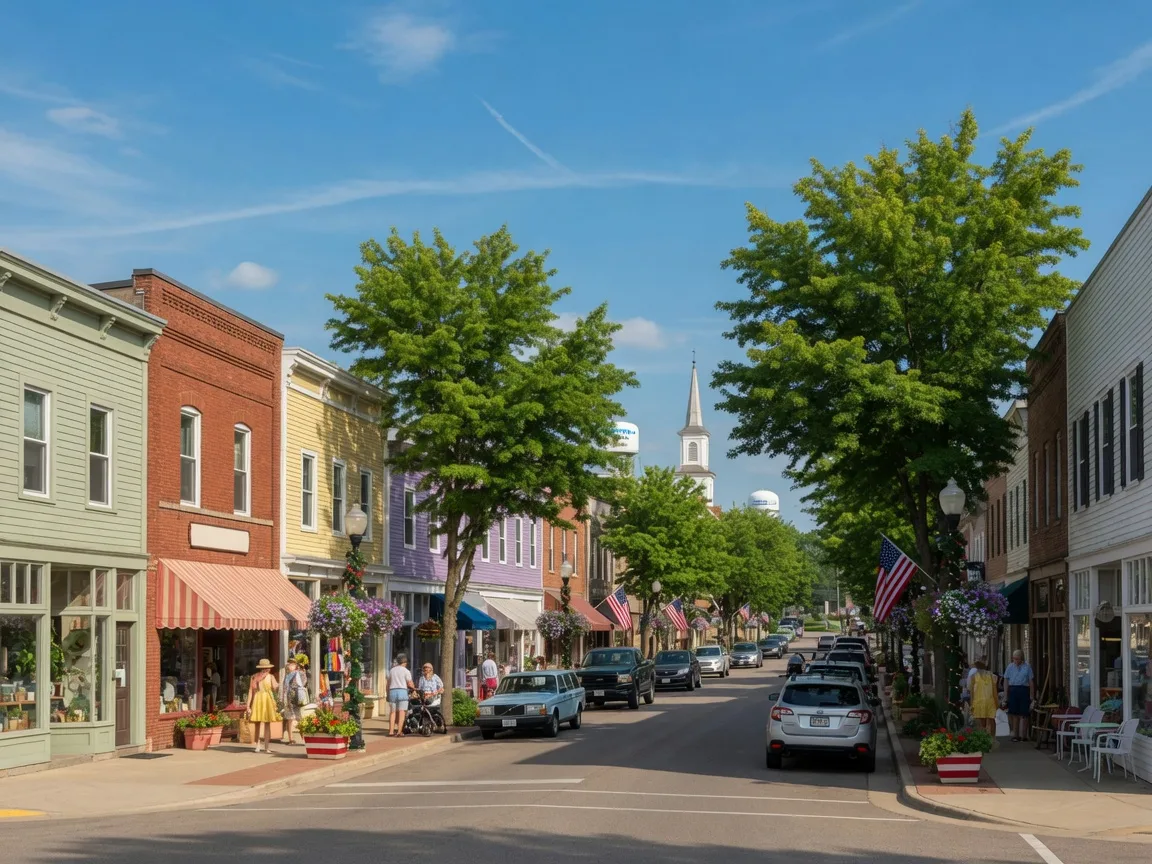
Brainerd
The Regional Hub
Brainerd is the biggest community in the area and the place everything else orbits: the regional hospital, the largest school district, county government, and most of the year-round shopping and dining. Its downtown along the Mississippi River has real character, with local restaurants and events, and North Long Lake sits minutes away.
Known For
- Regional healthcare at Essentia Health St. Joseph’s Medical Center
- Brainerd Public Schools (ISD 181)
- Downtown along the Mississippi River
- North Long Lake and dozens of smaller lakes nearby
Who It Suits
Brainerd suits anyone who wants full services, strong schools, and the most straightforward year-round life, with lake access on the edge of town.
Explore Brainerd
Which Lake Town Fits You?
Answer six honest questions and we will point you to the town that best matches how you actually want to live. It is a starting point, not a verdict. The right answer usually comes from a walk around town and a conversation about your criteria.
Your Best Fit
Brainerd
Your answers keep pointing to Brainerd: everything close, strong schools, and the full range of services. It is the most practical town in the area, and lake access is still minutes away.
Want to compare Brainerd with a neighboring town? We do that on every search. A 30-minute conversation saves weeks of guesswork.
Your Best Fit
Baxter
Baxter keeps showing up: new housing, modern convenience, and short drives to everything, including Gull Lake. It is the fastest-growing community in the region for a reason.
Want to compare Baxter with a neighboring town? We do that on every search. A 30-minute conversation saves weeks of guesswork.
Your Best Fit
Nisswa
Nisswa is your match: character, a walkable downtown, and the Gull Lake chain at your doorstep. It is lake-town living the way people imagine it, with a social calendar all summer.
Want to compare Nisswa with a neighboring town? We do that on every search. A 30-minute conversation saves weeks of guesswork.
Your Best Fit
Crosslake
Crosslake is your match: you are all in on lake life, and the Whitefish Chain rewards that. Expect to plan your year around open water and ice-out, and to love every minute of it.
Want to compare Crosslake with a neighboring town? We do that on every search. A 30-minute conversation saves weeks of guesswork.
Your Best Fit
Breezy Point
Breezy Point fits you: active, social, and amenity-driven, with golf, dining, a ski hill, and the Whitefish Chain all on your calendar. Life here has a resort rhythm year-round.
Want to compare Breezy Point with a neighboring town? We do that on every search. A 30-minute conversation saves weeks of guesswork.
Your Best Fit
Pequot Lakes
Pequot Lakes is your match: a family-first small town with strong schools and the Whitefish Chain nearby. It is the gateway that grows with you.
Want to compare Pequot Lakes with a neighboring town? We do that on every search. A 30-minute conversation saves weeks of guesswork.
Your Best Fit
Crosby-Ironton
Crosby-Ironton is your match: adventure and independence, with Cuyuna’s trails and mine pit lakes out the back door. It is the most creatively energized town in the region.
Want to compare Crosby-Ironton with a neighboring town? We do that on every search. A 30-minute conversation saves weeks of guesswork.
Your Best Fit
East Gull Lake
East Gull Lake fits you: you care about water quality, privacy, and long-term value on one of the state’s finest lakes. It is quiet, premium, and worth it.
Want to compare East Gull Lake with a neighboring town? We do that on every search. A 30-minute conversation saves weeks of guesswork.
Your Best Fit
Lake Shore
Lake Shore is your match: quiet water, residential peace, and Baxter’s conveniences ten minutes away. It is the low-profile choice that works hard behind the scenes.
Want to compare Lake Shore with a neighboring town? We do that on every search. A 30-minute conversation saves weeks of guesswork.
Answer all six questions, then hit "See My Match" again.
Schools & Education
Families moving here usually start with the school question, and the answer depends on where you land. The Lakes Area is served by several solid public districts, and Minnesota allows open enrollment across district lines, subject to space and timelines. If you love a property but prefer a neighboring district, it is worth asking.
Brainerd Public Schools, ISD 181
The largest district in the area. Serves Brainerd, Baxter, Fort Ripley, Garrison, Merrifield, and most of Nisswa. Broad program offerings from early childhood through high school.
Pequot Lakes Public Schools, ISD 186
Serves Pequot Lakes, Breezy Point, Jenkins, most of Crosslake, and parts of Lake Shore. Consistently strong and family-oriented, a major draw for the Whitefish Chain towns.
Crosby-Ironton Schools, ISD 182
Serves Crosby, Ironton, and the surrounding townships. A community-anchored district in the historic mining towns now known for Cuyuna recreation.
Nearby Districts
Pillager Public Schools (ISD 116) serves areas west of Brainerd, and Pine River-Backus (ISD 2174) covers communities to the north. A few independent and faith-based options also exist; weigh fit directly with each school.
Ratings and program data change year to year, and school fit is personal. Verify current ratings, offerings, and open enrollment timelines with each district, and use the Minnesota Department of Education (education.mn.gov) for school-level data before you commit.
Healthcare
Healthcare is one of the strongest arguments for full-time living here. The area is served by two regional hospitals, plus supporting clinics, and you rarely wait long for primary care access compared with metro suburbs.
Essentia Health St. Joseph\u2019s Medical Center
The area\u2019s largest hospital, 523 North Third Street, Brainerd. A 162-bed acute care hospital with a 24-hour emergency room and Level III trauma center, plus a birthing center, cancer care, cardiac services, and orthopedics. Essentia also runs an urgent care in Baxter and clinics in Pequot Lakes, Pine River, and Pillager.
Cuyuna Regional Medical Center
The full-service hospital in Crosby, 320 East Main Street. A critical-access public hospital with an emergency room, ICU, pharmacy, and 40-plus primary care and specialty physicians, with additional clinics in Baxter and Longville.
Regional neighbors Lakewood Health System in Staples and Riverwood Healthcare Center in Aitkin extend coverage around the edges of the area. For highly specialized metro care, the Twin Cities are two to two and a half hours by car, or a short nonstop flight from Brainerd Lakes Regional Airport to MSP.
Verify current services, hours, and insurance networks with each organization; offerings and provider networks change.
Jobs & Economy
Healthcare is the anchor of the local economy. Essentia Health\u2019s Central Region employs roughly 1,500 people, Cuyuna Regional Medical Center around 970, and Brainerd Public Schools around 900, according to the Brainerd Lakes Area Economic Development Corporation (BLAEDC). Across Crow Wing County, about one in five jobs is in health care and social assistance, followed by retail trade and manufacturing, each employing several thousand people.
Tourism and hospitality are the area\u2019s heartbeat, especially in summer and during fall color weeks. Resorts, restaurants, and retail swell with visitors, and the second-home economy supports steady demand for trades: dock installers, landscapers, snow removal, boat services, and property management. That seasonal rhythm is a feature of the lifestyle here, and a factor to plan around if you are starting a business.
Remote work has become a quiet economic driver. Fiber internet reaches most of the populated towns, many buyers keep Twin Cities or out-of-state jobs, and the area has attracted exactly the kind of professional who can trade a commute for a lake view. If you are relocating for a job, verify employment in your field first; the base is strong but not metro-sized.
Outdoor Recreation & Lifestyle
Recreation is the reason most people find the Lakes Area, and it is the reason they stay. Here is the honest lay of the land, from the big-name waters to the trails that fly under the radar.
Gull Lake
One of Minnesota’s premier walleye lakes, clear and deep, with roughly 38 miles of shoreline and Gull Lake Chain boating. It also hosts the world’s largest ice fishing contest every winter, which says everything about how seriously locals take the season.
The Whitefish Chain
Fourteen connected lakes near Crosslake and Breezy Point. You can boat from town to town all day, fish different structure each hour, and still have shoreline left to explore. The centerpiece of the area’s boating culture.
Mille Lacs Lake
Under an hour southeast of Brainerd, Mille Lacs is one of the state’s most storied walleye fisheries. Anglers come from across the region, and the lake’s resorts and restaurants are an easy day trip.
Cuyuna Country State Recreation Area
Fifty-plus miles of mountain bike singletrack on ruby-red mining dirt, rated a Silver-level Ride Center by IMBA. The flooded mine pits are some of the clearest water in Minnesota for swimming and kayaking, and the trails groom for winter fat biking.
Paul Bunyan State Trail
A paved rail trail of roughly 115 to 120 miles, the longest state trail in Minnesota, running from Crow Wing State Park near Brainerd and Baxter north through Nisswa, Pequot Lakes, Pine River, and on to Bemidji. Perfect for road biking, skating, and long walks.
Golf & Winter Sports
The area is loaded with golf: Madden’s, Cragun’s, Grand View Lodge, and Breezy Point Resort all operate courses, alongside a long list of public and community courses. Winter brings downhill at Breezy Point’s ski hill, snowmobile trail systems, cross-country skiing, and ice fishing.
Weather & Four Seasons
The area has a classic Minnesota climate: cold, snowy winters and warm, lake-friendly summers. January highs average around 20 degrees Fahrenheit with lows near zero. July highs average around 80 with overnight lows near 58. Average snowfall runs roughly 47 to 48 inches a season, with about 29 to 31 inches of total annual precipitation.
Winter is not for everyone, and it is better to hear that from us than to discover it in January. But the people who love it here tend to love winter too: the light on the snow, ice fishing, snowmobile trails, and the fact that the area knows how to run in snow. Roads are plowed, schools stay open, and life continues. What you trade in dark, cold months, you get back in the best summer weeks in the upper Midwest.
Spring
Ice-out arrives for most lakes in mid to late April, with Gull Lake often among the last. Fishing opener lands mid-May, docks go in, and the green returns fast.
Summer
The season everything builds toward. Boating, swimming, fishing, farmers markets, and community events every week. Water temps make Gull and the Whitefish Chain genuinely swim-friendly.
Fall
Peak color typically arrives late September into early October, a range that shifts with the year. Cooler water, big walleye, and the most beautiful drive to work you will ever take.
Winter
Cold, bright, and surprisingly social. Ice fishing tournaments, groomed snowmobile trails, skiing at Breezy Point, and fat biking at Cuyuna keep the calendar full.
Ice-out and fall color timing are typical ranges, not guarantees. They shift with the weather each year. The Minnesota DNR publishes fall color updates and ice reports through the season; check them before you plan a move date around either.
Utilities, Internet & New Construction
Utility service is address-specific. Different parts of the county are served by different electric providers: some areas run on a municipal utility, others belong to a rural electric cooperative. Your property\u2019s street address determines the provider, and we check it during every search.
Broadband is genuinely good in most towns. Fiber internet is available across much of the populated area through providers like CTC (Fidium Fiber), TDS, and MLEC Fiber, covering neighborhoods in Brainerd, Baxter, Nisswa, Breezy Point, Crosby, Deerwood, and Garrison, with rural townships still being connected through state and federal broadband grants. Coverage is address-specific: confirm fiber availability with the provider before you commit to a remote property, and know that satellite and fixed wireless exist as backups in the most rural spots.
Many lake properties run on private wells and septic systems, so water and sewer service is your responsibility rather than the city\u2019s. Septic compliance matters at sale, wells should be tested, and county environmental services offices are helpful on both. State shoreland rules apply within 1,000 feet of most lakes, governing setbacks, structure size and placement, septic siting, and shoreline alterations; counties administer the rules with state oversight, and permits are required for many projects.
For new construction, land is available across the area, but buildable waterfront is finite: septic siting, elevation, wetlands, and access decide what can be built where. Construction timelines in the region have real lead times, so plan accordingly. We match buyers with land, existing homes, and builders we trust, and we will tell you straight when a lot will not pencil out.
Getting Around
The Lakes Area is a driving region, and the roads are part of the lifestyle. Here is how the main routes fit together and how long the common trips take.
Highway 371
The spine of the area. Runs north from US 10 at Little Falls (your connection to the Twin Cities) through Baxter and Brainerd, then past Nisswa, Pequot Lakes, and onward to Bemidji. Most of the lake towns sit on or near it.
Highway 210
The east-west route through Brainerd (running as Washington Street downtown), connecting west toward Staples and east toward Crosby, Deerwood, Aitkin, and beyond. The way to the Saint Cloud corridor.
Highway 6
Runs north-south through the western lakes and points north, sharing alignment with Highway 210 between Crosby and Deerwood, and reaching south toward Garrison and the Mille Lacs area.
Typical Drive Times
From downtown Brainerd, routes vary but expect roughly: Baxter, 5 minutes; Lake Shore, 10 to 15; East Gull Lake, 15; Nisswa, 15 to 20; Crosby, 20; Pequot Lakes, 25 to 30; Crosslake, 30; Breezy Point, 30 to 35.
The Twin Cities
Minneapolis and Saint Paul are roughly 125 to 130 miles south, a typical drive of two to two and a half hours via US 10 to Little Falls and Highway 371 north. Budget extra time on summer weekends and holiday Fridays, when everyone else has the same idea.
Brainerd Lakes Regional Airport (BRD)
Small, friendly, and real. Delta Connection operates nonstop service between BRD and Minneapolis-Saint Paul, with flights around 30 to 60 minutes, several times daily. Park near the door, show up 45 minutes early, and you are in the metro before your coffee cools. St. Cloud Regional Airport is about an hour south as another option.
Flight info: brainerdairport.comMoving & Settling In Checklist
Check items off as you go. The checklist tracks your progress, and the print button gives you a clean copy for the fridge.
Decide & Plan
Finances & Taxes
The Search & Purchase
Utilities & Setup
Settling In
Brainerd Lakes Area Moving Checklist · Elevate Group, brokered by eXp Realty. Requirement specifics like the 60-day driver's license transfer window are state rules; verify current details with Minnesota Driver and Vehicle Services.
Questions Buyers Ask Us, Answered
These are the questions that come up on nearly every relocation call we take. Click any question to expand the answer.
How much does a lake home cost in the Brainerd Lakes Area?
Lake homes range widely, from modest seasonal cabins to multi-million-dollar estates. Elevate Group focuses on waterfront and higher-end properties, typically in the $800,000 to $5 million range. Well-priced waterfront moves fastest in spring and summer. For current asking prices and sold data on the lakes you are considering, ask us and we will pull the numbers for you.
What taxes should I expect in Minnesota?
Minnesota has a progressive income tax with rates from 5.35% to 9.85% (2025 brackets), a state sales tax of 6.875%, and local-option sales taxes in Brainerd and Baxter that bring the total to roughly 7.875% in those cities, with Crosby around 7.375%. Property taxes are set by local levies and vary by community; waterfront is typically assessed for its lake value. Rates change, so verify current figures with the Minnesota Department of Revenue and your tax advisor.
What rules apply to lakefront property?
Minnesota shoreland rules govern most lake lots, covering setbacks, the size and placement of structures, septic siting, and shoreline alterations. Permits are required for many projects, and counties administer the rules with state oversight. Your township and county zoning offices are the first stops for any lot question.
What should I know about septic systems and wells?
Most lake homes run on private wells and septic systems. Septic compliance is one of the most important items in a lake purchase, because a failing or noncompliant system can cost tens of thousands of dollars to replace. Make offers contingent on a septic inspection and well testing, and ask about the system’s age, permits, and maintenance history.
What is winter really like?
Honest answer: it is cold and snowy. January highs average around 20 degrees Fahrenheit with lows near zero, and the area sees roughly 47 to 48 inches of snow a season. The region is built for it: roads are plowed, schools run, and winter recreation is a way of life. If you cannot work with winter, this is not the place. If you can, you get the best summers in the Midwest.
Can I rent out my lake home short term?
That depends on the township. Short-term rental rules vary from township to township in the Lakes Area, and some areas restrict or prohibit them. If rental income matters to you, verify the zoning and rental ordinance for the specific address before you make an offer. It is an easy question to ask and an expensive one to skip.
How do I insure a lake home?
Waterfront homes carry different insurance considerations than an average city house: liability around docks and boats, older cabin construction, and seasonal use all factor in. Some older lake properties take more work to insure. Work with an agency that knows lake property, and get quotes before closing, not after.
Which lakes hold their value best?
Historically, the established recreational lakes with good water quality, strong demand, and limited developable shoreline, think Gull, the Whitefish Chain, and the bigger area lakes, have held value best. Shoreline quality and lake desirability matter more than the house on the lot. No lake is a guarantee, which is exactly the kind of honest market read we provide before you buy.
How is buying a lake home different from buying in the city?
You are evaluating two things at once: the house and the lake. Inspections cover the house, but you also need septic, well, and shoreline due diligence. Appraisals on unique waterfront can be more involved, financing a second home has different rules than a primary mortgage, and seasonal access affects when you can close comfortably. A local agent who has done it hundreds of times makes the difference.
When is the best time to move here?
Spring and early summer are when the most lake inventory comes on the market and curb appeal peaks. Fall is quieter with motivated sellers, and winter offers the least competition and the most negotiation room, if you can handle moving in snow. The best time depends on your deadline and whether you are buying or selling. Talk it through with a local agent.
Talk to a Local
Every guide goes out of date. What does not change is having a local team that grew up here, has walked these neighborhoods and these lakes for a lifetime, and will give you straight answers. Call, email, or book 30 minutes. No pressure, just honest local advice, and we will pull current market numbers for the towns and lakes you care about.
7119 Forthun Road, Baxter, MN 56425

Noah Goedker
Realtor · Elevate Group, brokered by eXp Realty · License 40692293 · Greater Lakes Association of Realtors
Cheers!
Tell Us Where You Are in the Process
A few details help us prepare current market numbers and town comparisons before we talk.
Equal Housing Opportunity. Elevate Group is brokered by eXp Realty, LLC. Licensed in Minnesota.