What Lake-Home Buyers Notice That Sellers Overlook: A Late-Fall Reality Check
Buyers in a balanced market have more choices, and they are looking at your lake home with a sharp eye. What sellers miss that buyers notice, from the septic file to the shoreline to the smell of the basement.

Noah Goedker
Elevate Group · eXp Realty

The market has changed, and the buyers touring lake homes this fall have changed with it. Across Crow Wing County, active inventory is up around 13 percent from a year earlier, to roughly 400 homes, about three and a half months of supply, and waterfront listings in Brainerd are averaging around 56 days on the market. Buyers have more choices than they did two or three years ago, which means the ones who do come through your door are comparing, and they are looking at your lake home with a sharper eye than most sellers assume. The sellers who sell in this market are the ones who see their property the way a serious lake buyer sees it, and that starts with understanding what buyers actually notice and what sellers overlook.
Here is the honest list, in the order buyers judge a lake property, and the tells that quietly decide whether a showing becomes an offer.
The Septic File Is the First Thing They Ask For
The single most common reason a lake-home buyer's agent calls the listing agent is the septic certificate of compliance. Crow Wing County requires a compliance inspection within 90 days of the sale filing when a current certificate is not on file, and a certificate is valid for five years from installation and must be renewed every three years after that. A seller who has the current certificate in the listing file removes the biggest objection a lake buyer can raise before they ever walk in. A seller who does not know where the file is, or is surprised to learn the certificate lapsed, tells a buyer the property has not been managed closely. Get the file out of the drawer and into the listing now, while the ground is still open if work turns out to be needed. Why to complete a septic inspection before selling explains the timing.The Heat Tells Them Everything
Late-fall buyers tour in cold weather, and the first thing they register is whether the house feels lived in or closed up. A 50-degree, winterized cabin reads as a storage unit, and it shows that way in photos and in person. Keep the heat at a level that protects the plumbing and feels welcoming, run the furnace so it has actually been proven this season, and leave the interior lights on for every showing. The buyers noticing are the same ones who will ask for the service records on the furnace, the water heater, and the roof, so have those receipts organized before the first tour, not after.The Smell Test: Musty Is the Word That Kills Offers
You cannot smell your own basement, and neither can the buyers, but the agent walking behind them can. Damp, musty, or vaguely chemical smells are the fastest way to turn a tour into a polite exit, and they are the most overlooked issue in lake homes, where crawl spaces, shoreland moisture, and older construction make the risk real. Before you list, walk the basement and crawl space with a fresh nose, run the dehumidifier, and address the source rather than covering it. This is a small line item that protects a fiveThe Shoreline Is the Listing, Not the House
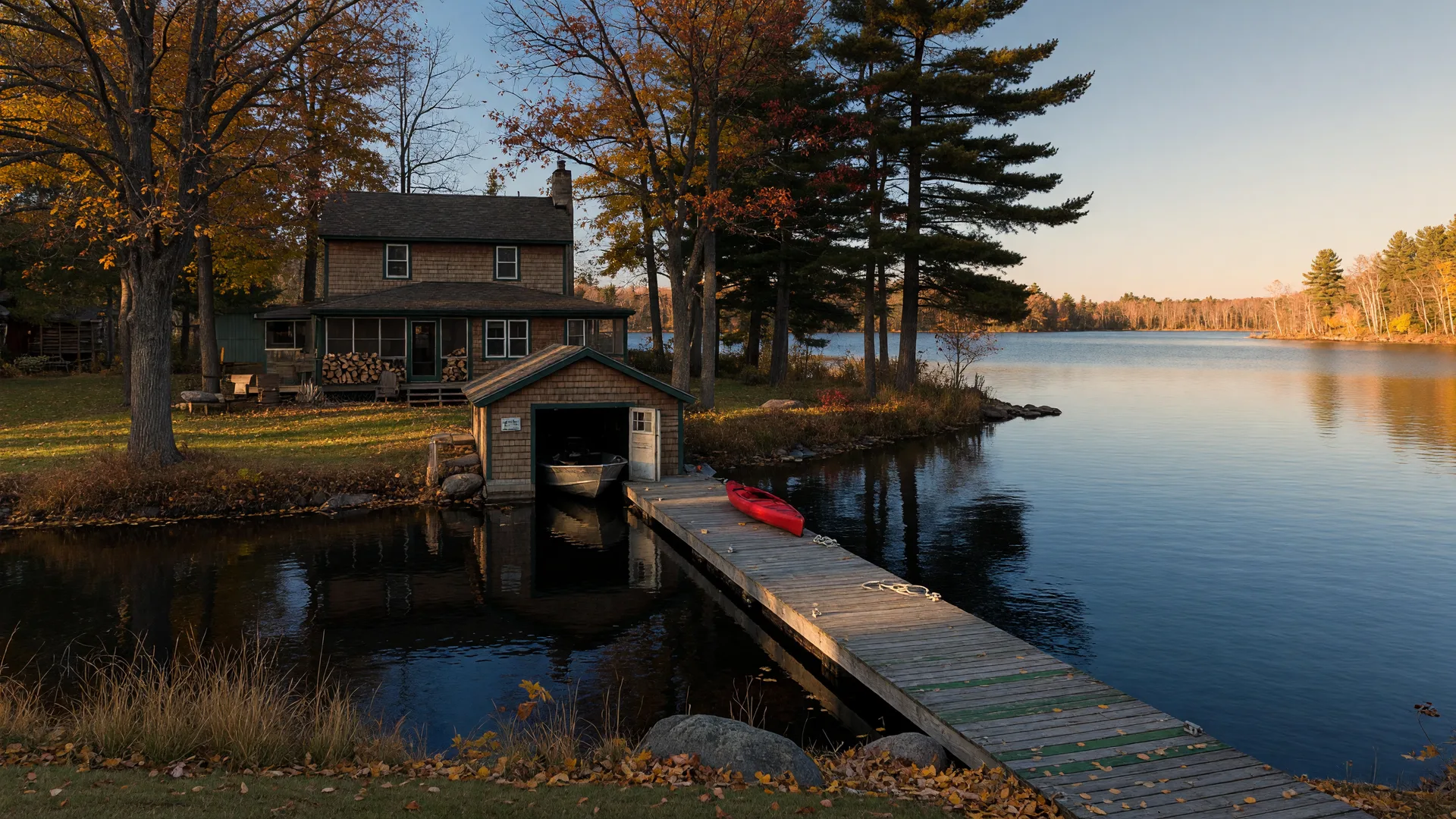
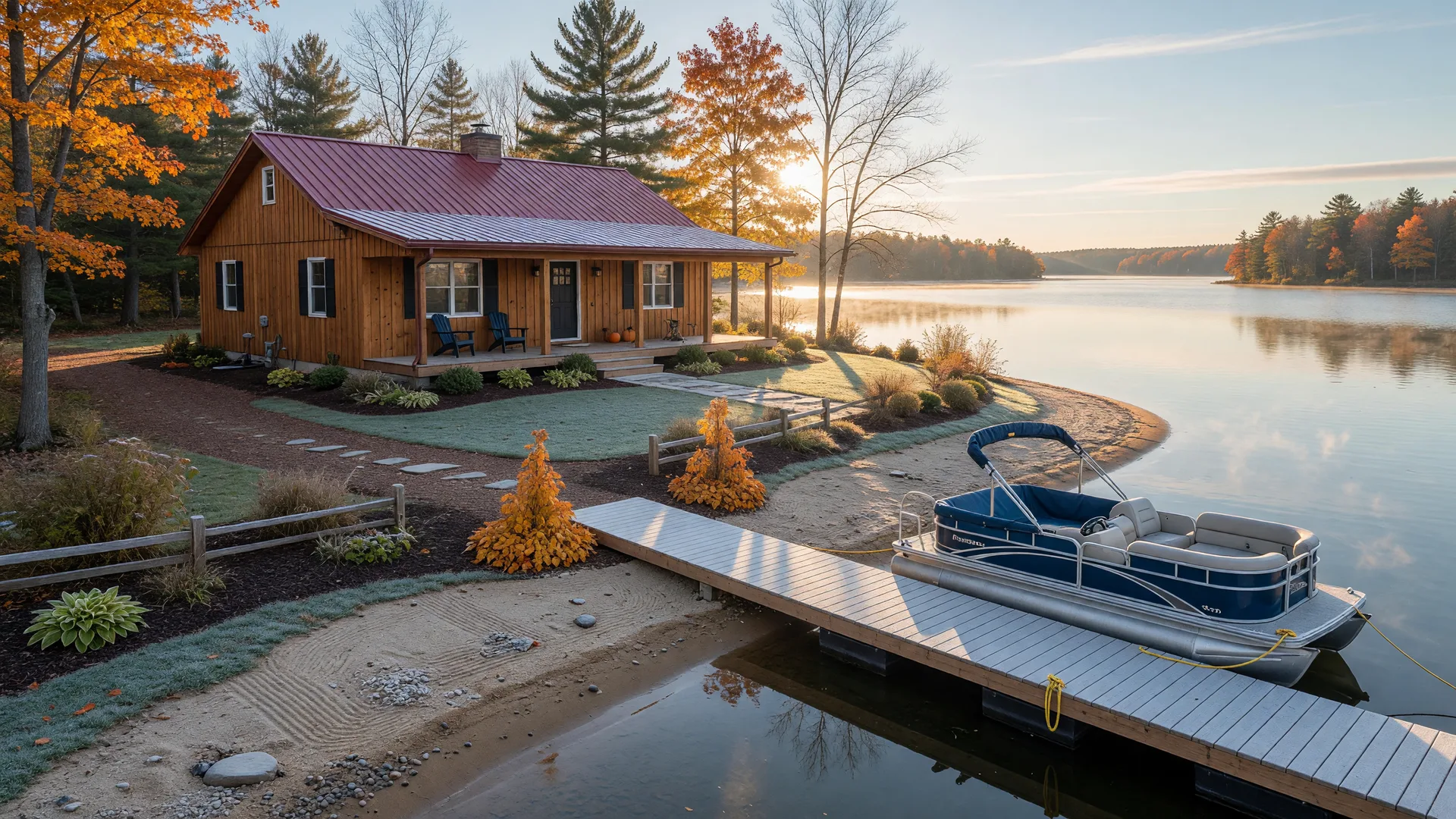
On a lake home, the shoreline is part of the product, and buyers evaluate it the same way they evaluate the kitchen. A raked beach, a clean bank, trimmed overgrowth, and a dock that looks cared for say the property is maintained. An eroded bank, a messy shoreline, or a dock that is falling apart says the opposite, and buyers notice it from the driveway before they ever step inside. The house can be remodeled; the shoreline is what they are actually paying for. Present it like the asset it is, and understand that the same shoreline, frontage, exposure, and privacy that set the value are exactly what the buyer's agent will point to when they build their case. How shoreline quality drives value shows what buyers are judging.The Photos Have to Match the Property
Buyers in a balanced market do the math: they see the photos, then they see the property, and the gap between the two becomes the negotiation. A listing photographed like an ordinary house, with the lake barely in frame and the shoreline hidden, tells a lake buyer this is not being marketed by someone who understands waterfront. Over-staged photos that promise more than the property delivers create the opposite problem. The photography should sell the lake, the setting, and the lifestyle, and it should be honest enough that the showing confirms the photos. How we market a lake listing covers the difference.Winter Access Is a Feature, Not a Detail
In late fall, buyers are asking about the road, the driveway, and the plow route before they ask about the lake. County, township, or private access, and whether the private road agreement is in writing, is a genuine decision factor for the buyer who plans to live there year-round or visit in January. A plowed drive, shoveled steps, and a clear path to the door say the property is cared for and ready for a quick walkthrough. In a season when every tour happens in the cold, this is a real showing feature, not a detail.The Price Has to Match the Condition
Finally, and this is the one that decides everything: buyers notice when the price does not match the condition. In a market with more inventory and longer days on market, an overpriced lake home gets viewed, compared, and passed over, and every week it sits makes the next offer weaker. The buyers touring in October and November are serious ones, and they are comparing your lake home against the other lake homes they have already seen, on the same water. Price from recent same-lake sales, not from square-foot math and not from the automated estimate. How to price a lake home in the Brainerd Lakes Area walks through the same-lake method, and when a reduction makes sense shows the cost of starting too high.The Bottom Line
Buyers notice more than sellers think, and in a balanced market they have the luxury of acting on it. Present the septic file, prove the heat, clear the musty smell, show the shoreline like the asset it is, match the photos to the property, answer the winter-access question, and price against same-lake reality. Understand the property the way a serious buyer will, and make the right move on the calendar while the season still works in your favor. That combination is what separates a lake home that sells this fall from one that sits through the holidays.If you are thinking about selling, we will give you an honest, same-lake valuation and a candid read on what buyers will notice about your property before we ever talk about marketing. Schedule a conversation, request a lake-home valuation through our selling guide, or read how we work with sellers and we will help you make the right move. Cheers!
Have Questions About Lake Property?
We help buyers and sellers navigate lake-home decisions with clarity and local expertise. Let's talk about your situation.