Can You Finance or Insure an Older Minnesota Lake Home?
Financing and insuring an older or seasonal Brainerd Lakes Area lake home takes more than good credit. Here is what lenders and insurers actually look for this fall.

Noah Goedker
Elevate Group · eXp Realty
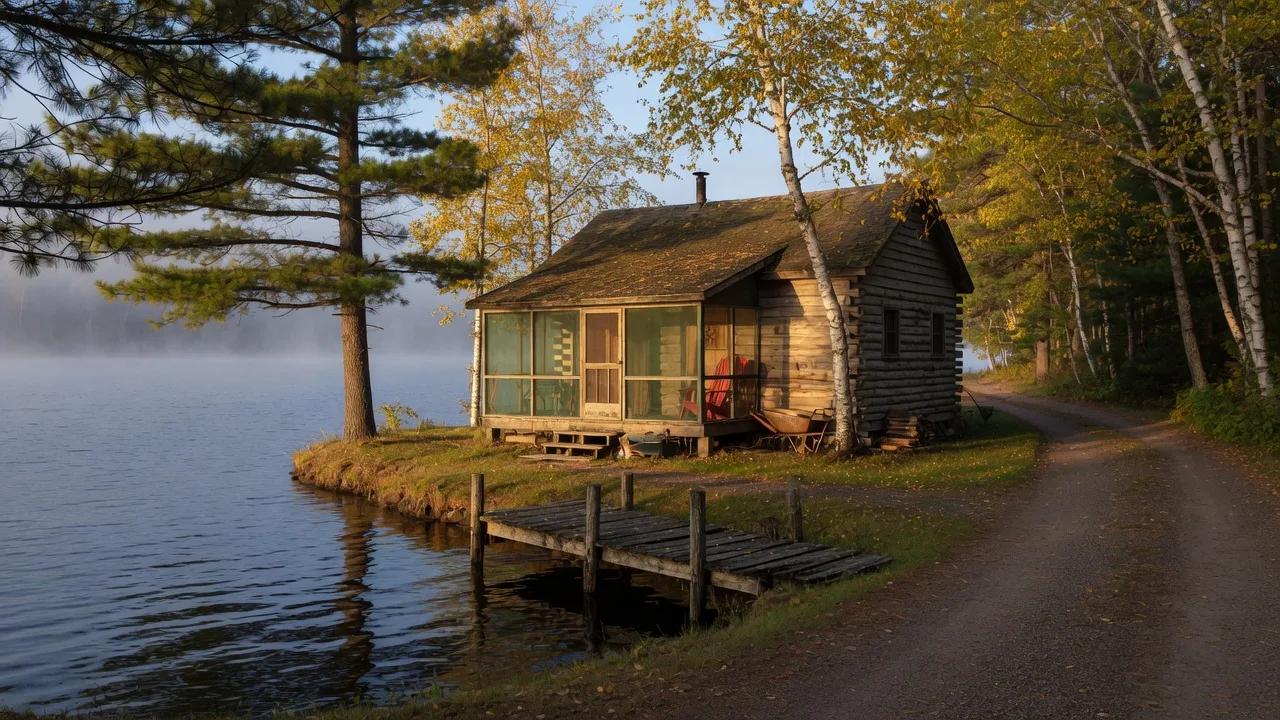
Yes, you can finance and insure an older or seasonal lake home in the Brainerd Lakes Area, but it is not the same as buying a standard home, and fall is exactly when those requirements come into focus. Most listings here sell to buyers closing before the freeze, which means the road, the heat, the septic file, and the roof all get examined long before the keys change hands. The good news is that these are known questions with known answers, and a buyer who checks them early buys with confidence instead of surprises.
Year-Round or Seasonal: The Financing Fork in the Road
The single biggest factor in financing is whether the property works year-round. A cabin with a maintained road, permanent heat, proper insulation, and access in all four seasons usually qualifies for a conventional loan, often financed as a second home. A true seasonal cabin, one that cannot be used in winter, is a different product: conventional programs often pass on it, so buyers work with lenders who specialize in cabin and lake property, put more money down (typically 10 to 20 percent, and some programs reach 35 percent), and use products the bank keeps on its own books.That distinction explains a lot of what you see in the Brainerd Lakes Area. Some of the most charming cabins here sit on private, unmaintained roads, and lenders commonly require confirmation of year-round road access as a condition of financing. A property can be beautifully built and still fail the financing test because the access fails it first. That is part of understanding the property before you fall for the pictures. Our guide to seasonal cabins versus year-round lake homes covers the lifestyle side of the same decision.
What Lenders Verify on Every Lake Property
What Insurers Check Before They Write the Policy
Insurers are the other gatekeeper. Older and seasonal properties are harder to insure than a primary residence simply because of how they are used: a cabin that sits vacant for months carries higher theft, vandalism, and undetected-damage risk, and a remote location with long emergency response times weighs heavily in the underwriting.In Minnesota, the roof is one of the first things they ask about. Roofs around 15 to 20 years old often trigger surcharges, coverage limits, or a required inspection, so know your roof's age like you know your tax bill. Permanent heat matters here too, and private-road access slows emergency response. Expect the premium to be higher than an off-water home of the same size, because waterfront brings wind and shoreline erosion into the risk picture. Boathouses may carry only limited coverage under a secondary-home policy, so read that section carefully. Flood coverage is a separate federal policy purchased on its own.
What the Fall 2026 Market Adds to the Equation
The current market rewards a prepared buyer. Crow Wing County's median sale price held near $342,000 in early 2026, up about five percent from a year earlier, while homes spent roughly 94 days on the market, up from about 59 days a year earlier. Waterfront stays the scarce slice: about 289 waterfront homes were listed across the county this fall at a median near $440,000, and LakePlace tracked roughly 409 lake properties averaging about $602,000. With more inventory and longer market times, buyers have room to do the financing and insurance homework properly before writing an offer. The properties that still move quickly are the ones where the paperwork is already in order.How to Buy an Older Lake Home Without the Surprises
The Bottom Line
Financing and insuring an older or seasonal lake home is more involved than a standard purchase, but it is a manageable, predictable process when you understand the questions in advance. Choose the right lake, understand the property's seasonal reality, know what ownership will really cost, and the financing follows. The buyers who get stuck are the ones who fall for a listing in July and discover the access, septic, or roof in October.If you are comparing older lake homes this fall, we can flag the financing and insurance questions before you tour. Schedule a conversation or browse current Brainerd Lakes Area listings and we will walk through the property file with you. Cheers!
Have Questions About Lake Property?
We help buyers and sellers navigate lake-home decisions with clarity and local expertise. Let's talk about your situation.