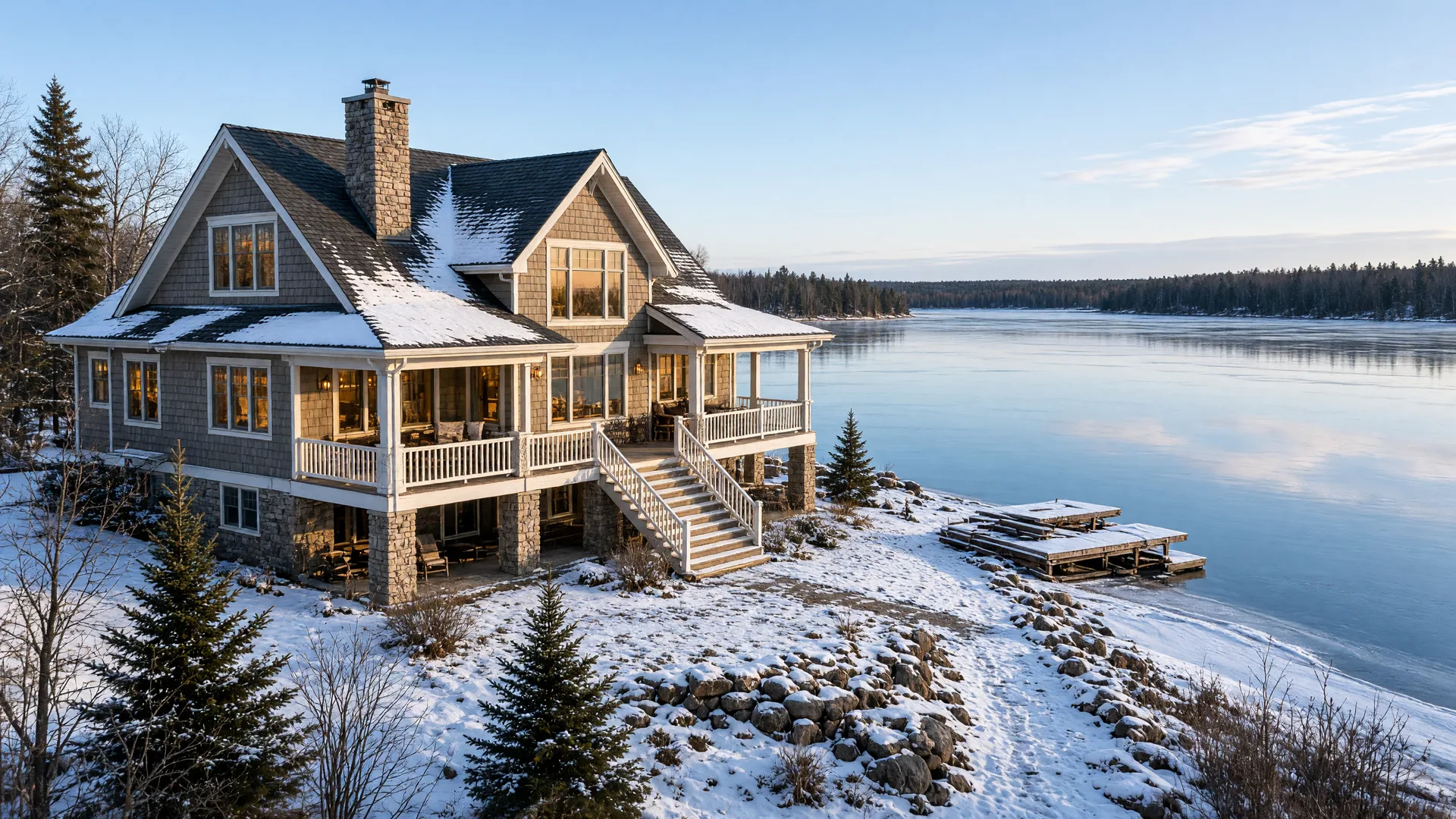
What to Disclose When Selling a Lake Home in Minnesota
The lake-specific disclosures Minnesota and Crow Wing County require from sellers: septic compliance, well disclosure, shoreline permits, docks and lifts, AIS records, and easements.

Noah Goedker
Elevate Group · eXp Realty

If you are selling a lake home in Minnesota, the paperwork deserves as much attention as the dock and the view. Minnesota's disclosure rules are clear about the basics, and lake property adds a longer list: the septic system, the well, shoreline permits, docks and lifts, and the records behind all of them. None of this is a secret to buyers or their agents, and a seller who prepares the file in advance turns potential friction into a smoother closing.
This guide covers what Minnesota requires sellers to disclose, the lake-specific items Crow Wing County and the area's shoreland rules add on top, and how an organized disclosure file protects both your price and your timeline.
Minnesota Requires a Written Disclosure
Under the Residential Real Property Disclosure Act, Minnesota home sellers must give the buyer a written disclosure, in good faith, of any material facts the seller knows that could adversely and significantly affect the buyer's use or enjoyment of the property, or materially impair its value, along with any intended use of the property the seller is aware of. The disclosure must be updated in writing if the facts change before closing. Selling as-is does not remove this duty, and while a buyer can waive the disclosure in writing, serious lake buyers will want the full picture anyway.The Septic System Is the First Thing Buyers Ask About
State law regulates septic and sewage treatment systems and requires the seller to disclose the system's condition at transfer. State rules alone do not require a fresh pre-sale inspection everywhere, but Crow Wing County's ordinance does: a compliance inspection must be on file for a property transfer, and the county requires a current inspection by a state-licensed SSTS inspector before closing. A certificate of compliance is valid for five years from a new installation, and a compliance inspection for an existing system is valid for three years, so if yours has lapsed, order the new inspection well before you list. Our guide to whether to complete a septic inspection before selling covers the decision in depth.The Well Disclosure Is a Separate Document
Minnesota law is explicit here: before signing a purchase agreement, the seller must disclose the status and location of every known well on the property, whether in use, not in use, or sealed, or state that there are none. A signed Well Disclosure Certificate is filed and recorded at closing. If a seller knowingly fails to disclose a well, they can be held liable for the buyer's costs, including sealing the well and attorney's fees. This one is not optional, and it is worth confirming before you list so there are no surprises on closing day.Shoreline Work and Permits Are Material Facts
Any work below the ordinary high water level of a public water, from a new dock to a retaining wall to shoreline grading, may require a DNR public waters work permit, and county shoreland ordinances govern setbacks from the water and bluffs. If you hold DNR or watershed correspondence, permits, or any pending shoreline work, those records belong in your disclosure. Buyers and their agents ask about this on lake property, and unpermitted shoreline work becomes the buyer's liability after closing, which is exactly why it is a disclosure item.Docks and Lifts Come With Their Own Rules
A standard dock needs no DNR permit if it is eight feet wide or less, no longer than needed to reach navigable water, and not a hazard; anything larger can require a permit. Docks and lifts moved between water bodies must be dried out for at least 21 days before being placed in a new lake, a rule designed to prevent spreading aquatic invasive species. Buyers will also want to know whether the dock and lift are included and in what condition, so put that in the listing and the disclosure together.Aquatic Invasive Species Are Part of the File
Minnesota does not have a separate statewide AIS disclosure form, but past AIS treatments, aquatic plant management permits, lake service provider invoices, and any DNR or watershed correspondence about invasive species are the kind of material facts the disclosure act covers. If your lake is on the DNR Infested Waters List, the buyer will learn that from public records anyway, so share what you know and let the records do the explaining.Easements, Title, and the Records Behind the Sale
Recorded easements, shared access, utility lines, lake access agreements, and any restrictions in the title commitment or abstract are standard disclosure territory on lakefront property. Pull the title commitment early, review it with your listing agent, and have the easements ready to explain. On a parcel with shared or nonstandard access, this documentation is often what separates a smooth closing from a delayed one.The Disclosure File Protects Your Price
Here is the connection to pricing that sellers often miss: an organized disclosure file is a pricing asset. A buyer who sees a current septic certificate, a filed well disclosure, clean permits, and a clear AIS record can move with confidence, and confident buyers offer closer to asking with fewer contingencies. A disorganized file invites lower offers and longer inspections. Understand the property's records as thoroughly as you understand its shoreline, know the real value those records support, and you position the listing to make the right move on the market.If you are preparing a lake home for sale and want the file built before the listing goes live, we can walk the property, pull the septic and well records, review the permits, and price it from recent same-lake sales. Request a lake-home valuation, schedule a conversation, or start with our selling guide. Cheers!
Have Questions About Lake Property?
We help buyers and sellers navigate lake-home decisions with clarity and local expertise. Let's talk about your situation.