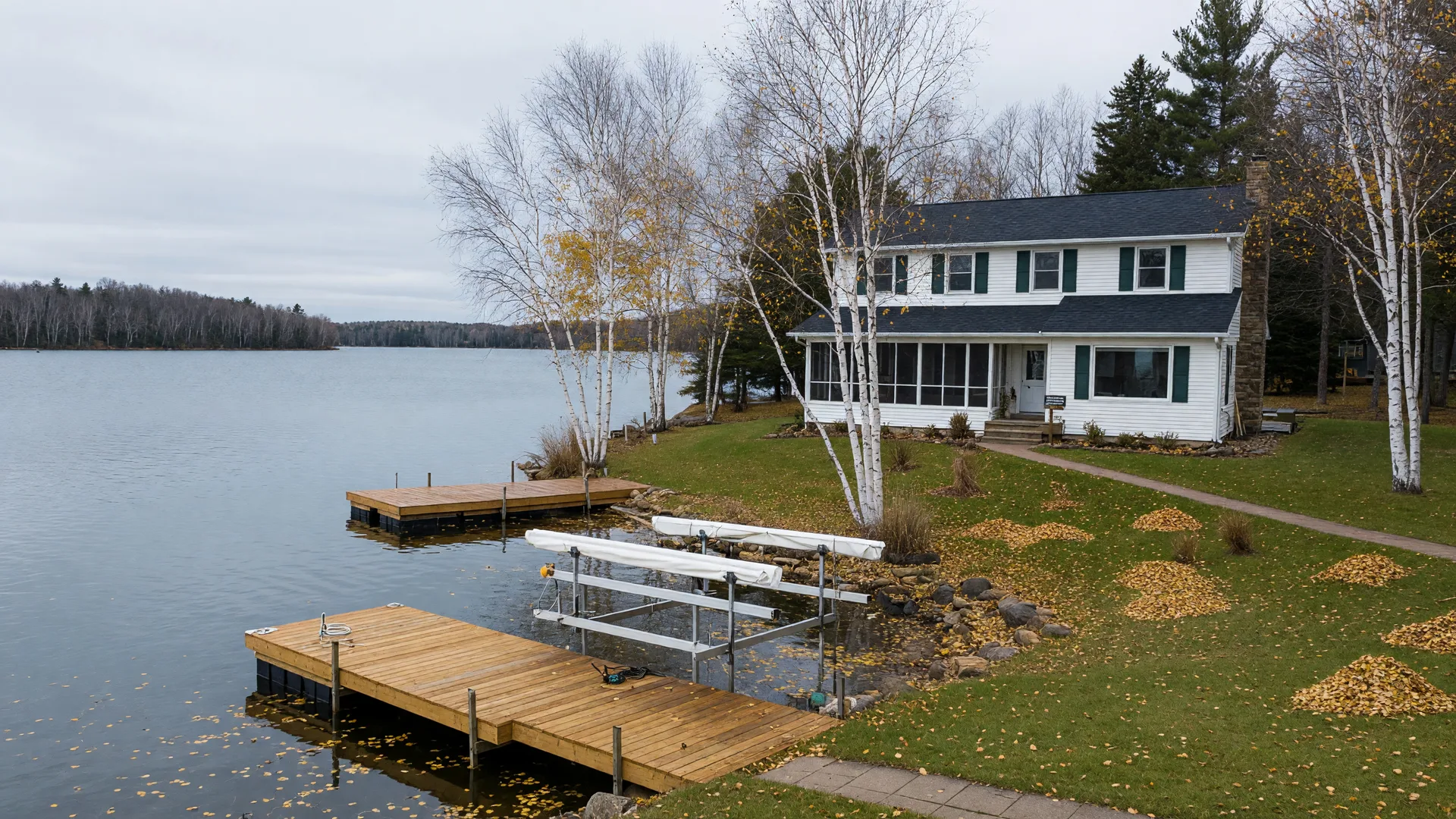
Should You Get a Septic Inspection Before Selling Your Lake Home?
Why Crow Wing County effectively requires a septic compliance inspection before a lake home sells, what noncompliance costs, and why this fall is the time to do it.

Noah Goedker
Elevate Group · eXp Realty
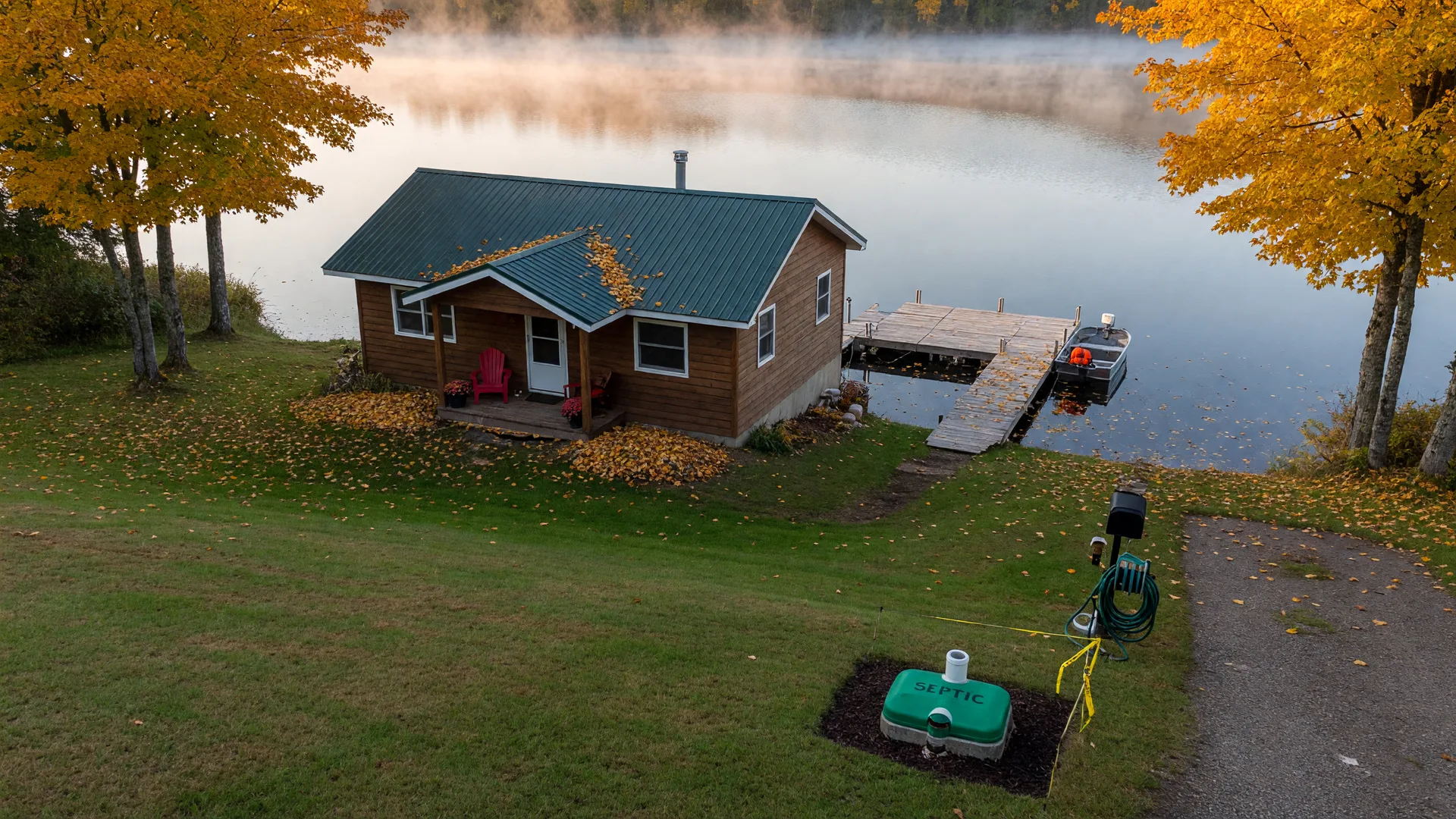
Yes, and for most Brainerd Lakes Area lake homes, a septic inspection before listing is not optional in practice. Minnesota state law does not require an inspection at the exact moment of sale, but Crow Wing County requires a septic compliance inspection within 90 days of recording a sale when no current certificate of compliance is on file. A clean, current certificate is the difference between a straightforward closing and a repair scramble.
Why Septic Gets Special Treatment on Lake Property
The reasons are practical. A septic system is buried, out of sight, and expensive to fix, and shoreline property carries the strictest rules because the drain field must sit a set distance from the ordinary high water mark. On a small or steep lot, there may be no room for a conventional replacement at all, which is why the compliance file matters more than the age of the cabin. Most buyers raise the septic question early in any lake-home conversation, so a seller who answers it from a documented file moves to the front of the line.What Crow Wing County Actually Requires
Why This Fall Is the Right Time to Do It
A compliance inspection is a job for open ground. Fall, before freeze-up, gives you the longest runway to handle whatever the inspector finds, and contractor schedules across the Brainerd Lakes Area fill quickly for spring. Find an issue in October and you can repair, replace, or adjust the plan before the property ever goes live. Find it in January and you are coordinating site work around winter conditions and a tightening calendar, which can push back your listing date or complicate a close. An inspection now also removes the most common contingency a buyer raises, which shortens the entire transaction.What Noncompliance Means for Your Sale and Your Price
A failing system receives a Notice of Noncompliance, and it generally has to be repaired or replaced before closing. Replacement costs on shoreline lots typically start around $10,000 and climb well past $20,000 where a mound or advanced treatment system is needed to meet the setback rules. That is real money, but the alternative is worse: an unaddressed compliance question gives buyers negotiating leverage, invites cautious offers, and can stall the sale at the inspection stage once the property is already on the market. A clean file, in writing, protects both your position and your price. Our guide to what to know about a lake home's septic system explains the buyer side of the same file.A Clean File Is a Marketing Advantage
Buyers comparing two similar lake listings favor the one with fewer questions. Listing with a current certificate, a system map, and a service record lets your agent say plainly that the due diligence is done. It also allows pricing from confirmed facts instead of assumptions, which is the difference between pricing to sell and pricing to hope. The properties that sell with confidence are the ones whose sellers handled the hard questions before the first showing, not after the first offer.How to Make It Part of Your Selling Plan
Order the inspection early, ask what the county file shows for your parcel, and keep the certificate, the map, and any service records together for the listing. If the system needs work, get a bid in writing before you set the price, because an honest price already reflects the condition. If everything passes, you have documented proof that removes the biggest objection a lake-home buyer can raise. Either way, you are selling from strength. See our lake-home selling guide for the full step-by-step, and read how much your lake home is worth before you choose a number.The Bottom Line
A septic inspection before listing is a small, early expense that protects the largest asset in the transaction. Do it while the ground is open, put the certificate on the table at the first showing, and you take the most common lake-home objection off the table. That is how a lake home sells with confidence instead of contingency.Ready to see what your lake home is worth with a documented compliance file? Request a lake-home valuation or schedule a conversation and we will walk through the market with you. Cheers!
Have Questions About Lake Property?
We help buyers and sellers navigate lake-home decisions with clarity and local expertise. Let's talk about your situation.
More from the Blog
What $1 Million Buys You on the Whitefish Chain: A Pricing Reality Check for Fall 2026

Buying a Second Home in the Brainerd Lakes Area: What Twin Cities and Out-of-State Buyers Need to Know