Selling a Lake Home With a Shared Driveway, Easement, or Private Road
Who maintains a shared driveway in Minnesota, what sellers must disclose about easements and private roads, and how to prepare the file before your lake home is listed.

Noah Goedker
Elevate Group · eXp Realty
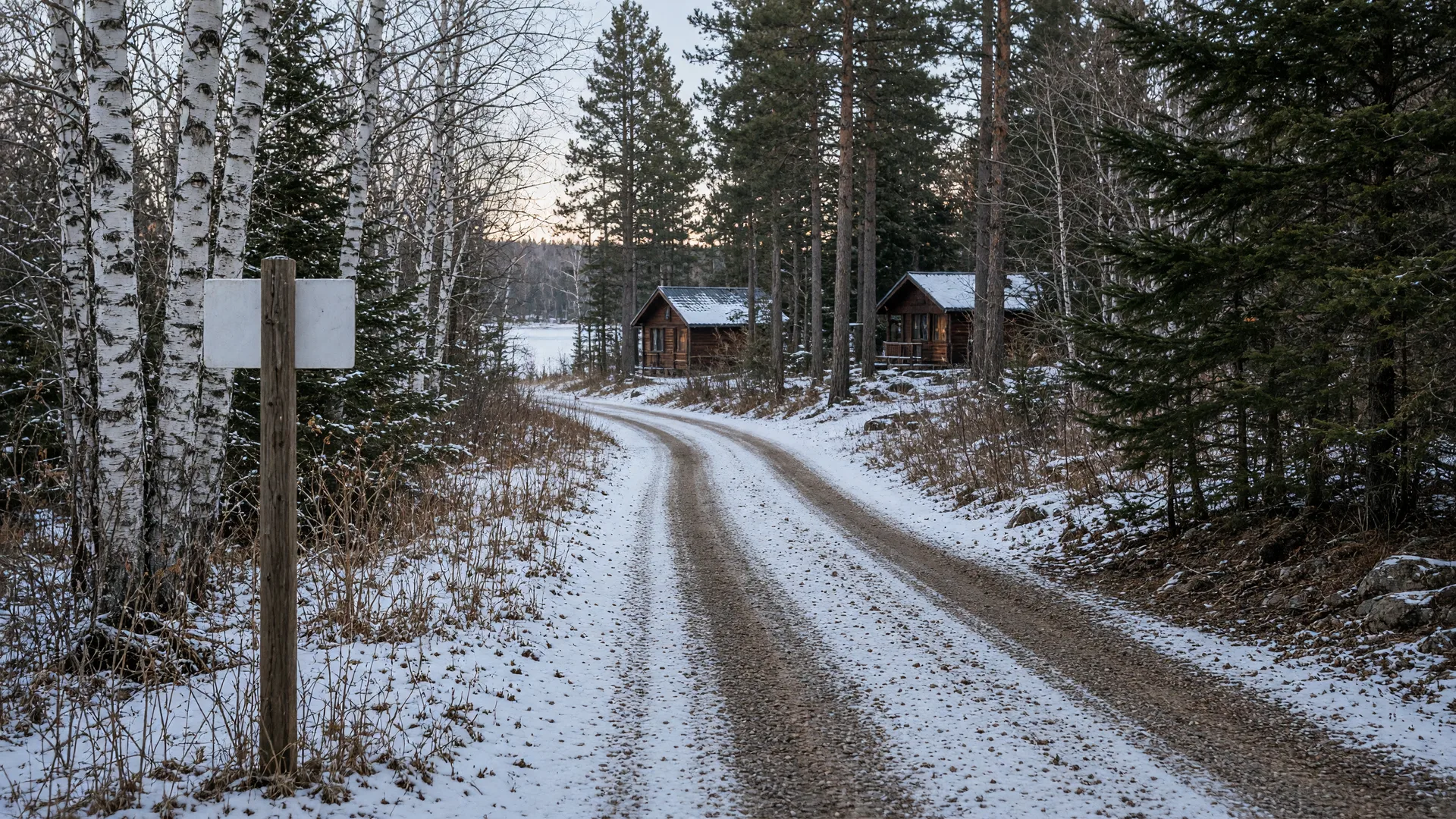
If your lake home sits at the end of a shared gravel lane, or you reach the water through a deeded access easement, the access itself is part of what you are selling. Who plows it, who pays for the gravel, and what the recorded document actually says are questions a buyer will ask, usually at the worst possible moment if the answers are not ready. In Minnesota the recorded easement, deed, or written maintenance agreement controls, and a seller who gets those documents organized before listing turns a potential closing delay into a straightforward conversation.
Access problems rarely stop a sale on their own. Unanswered access questions do, and they tend to surface in the title work rather than in the showing. This is the understand the property pillar in its most literal form: the property includes the road that gets you to it.
Lake Country Has More Shared Access Than Buyers Expect
Much of the Brainerd Lakes Area was platted in narrow parcels, and a large share of lake homes sit behind another parcel, share a lane with neighbors, or rely on a recorded easement for water access. Others sit on private roads that were never dedicated to a township or city, and still others fall under a road association or a shared maintenance arrangement that has been handled by handshake for years.None of that is unusual around Gull Lake, the Whitefish Chain, Pelican Lake, or the smaller lakes in between. It becomes a problem only when the arrangement lives entirely in memory.
Who Maintains a Shared Driveway in Minnesota?
Minnesota does not have one general statute that requires private road maintenance agreements. Under Minnesota common law, unless a recorded easement, deed, covenant, or written agreement says otherwise, the owner who uses and benefits from an easement is generally responsible for maintaining it at their own cost. Where several owners share one lane, the usual practice is to allocate maintenance in writing, often proportionally, so that nobody has to negotiate from scratch after the first big snow or the first spring washout.If your property has a shared maintenance agreement, a road association, or a documented cost split, that document is an asset in the sale. If the arrangement is verbal, this is the year to put it in writing, before a buyer asks.
What Minnesota Requires You to Disclose
Minnesota's residential seller disclosure law (Minnesota Statutes section 513.55) requires a written, good faith disclosure of material facts the seller knows that could significantly and adversely affect a buyer's use and enjoyment of the property. The standard property disclosure statement asks directly whether the property sits on a public or private road, whether there are easements other than utility or drainage easements, and whether there are private or non-dedicated roadways the seller is responsible for maintaining.So the question is not whether access gets disclosed. It does. The question is whether you can hand a buyer the documents that explain it clearly, which is a very different experience for everyone involved. Our post on what to disclose when selling a lake home in Minnesota covers the rest of the list, including septic, wells, and shoreline permits.
Winter Is the Honest Season for Access
Access questions get practical fast in November. Who plows the lane, what the cost split is, how quickly it happens after a snowfall, where the snow gets pushed, and whether the road is maintained at all in the off-season. Buyers who tour a lake home between now and spring will drive the lane themselves, and they will notice whether it looks cared for.If a plow arrangement exists, write it down and have it ready. If the lane has no formal arrangement, decide now whether you will establish one or simply disclose the situation clearly. Buyers can accept a shared gravel road. They have a harder time accepting an unknown.
Water Access Easements Deserve the Same Care
A deeded access to the lake is not the same thing as owning shoreline, and the two are described very differently in a listing. If your property includes a shared access, a dock easement, a riparian right, or an association beach, make sure the listing language matches the recorded document word for word, and make sure the buyer's agent can find the record. Overstating access is one of the quickest ways to lose a serious buyer after the title work comes back.What Stalls a Closing, and How to Prevent It
In practice, access issues stall closings in a handful of familiar ways:How Access Affects Price and Marketing
The honest way to look at it: a documented shared access usually costs less value than an undocumented one. Buyers price uncertainty, and an access question without an answer becomes a discount, an extended inspection, or a lost offer. A clean file lets you market the property on its real strengths, which for lake homes means the shoreline, the setting, and the lifestyle, and lets a buyer focus on those instead of on the paperwork.That is the know the real value pillar at work. Access does not automatically lower a lake home's worth, but it does belong in the pricing conversation from the first day, not after an offer comes in.
If you own a lake home with shared access and want to know how it will read to buyers this winter, request a lake-home valuation, schedule a conversation, or start with our selling guide. Cheers!
Have Questions About Lake Property?
We help buyers and sellers navigate lake-home decisions with clarity and local expertise. Let's talk about your situation.