Gull Lake Is Running Low in 2026: What Shoreline Owners on the Lake Shore Side Should Know
Gull Lake sat about four inches below its summer target through late summer 2026. What the low water means for docks, boats, and buyers on the Lake Shore side.

Noah Goedker
Elevate Group · eXp Realty
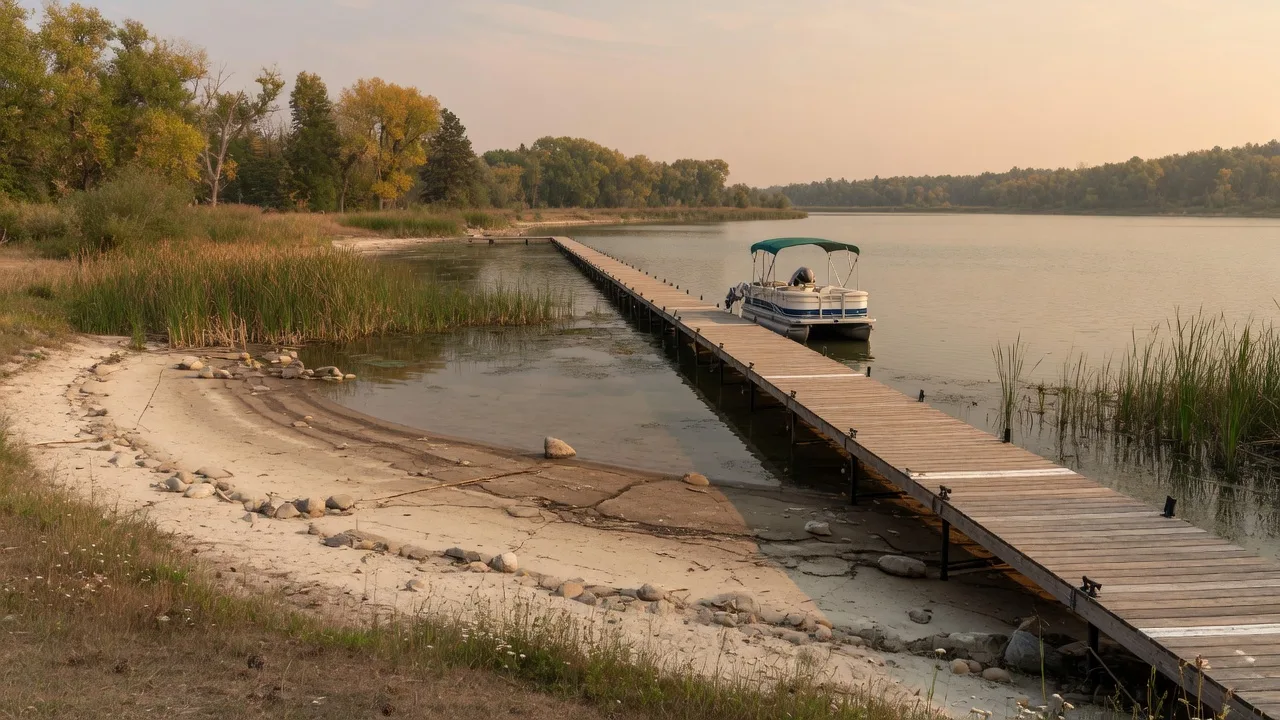
Gull Lake spent much of 2026 running low, and for shoreline owners on the Lake Shore side, the effects were visible all summer. Below-average precipitation and ongoing drought left the lake sitting roughly four inches below the Army Corps of Engineers' typical summer target of 1,194 feet, just under the bottom of its summer operating band. The Corps watched the level at Gull Lake Dam all season, and even with minimal releases, the water kept receding, mostly from evaporation.
How Low Is Gull Lake Right Now?
In mid-August 2026, the lake sat at about 1,193.66 feet, roughly four inches below the usual summer target and below the Corps' summer operating band of 1,193.85 to 1,194.15 feet. Gull Lake fared worse than nearby Cross Lake in the same drought. The Corps said levels were expected to keep dropping until significant precipitation arrived, which is why shoreline owners were planning for earlier dock and boat removal than usual this fall.What Does Low Water Mean for Shoreline Owners?
Low water changes daily life at the lake in concrete ways:What Should Buyers Take From This?
A low-water year is actually a useful inspection tool for lake buyers. When the level is down, you can see the true depth at the dock, the condition of the bank, and how the shoreline falls off, things that are hidden when the lake is full. It is also a reminder that lake level is a feature of the whole chain, managed by the dam, not something any single property controls. Buyers should ask about water levels in the years they are considering, just as they ask about septic and shoreline. Our Lake Shore community guide walks through what living on this side of Gull Lake is really like.The Honest Read
Lake levels fluctuate, and a dry year like 2026 does not mean the lake is permanently low. But it is a reminder that waterfront is weather-dependent in a way a house in town is not. The practical lesson for owners is to plan for low-water years and protect docks and lifts accordingly, and for buyers, to use a low-water summer as a chance to see exactly what they are buying. That is the kind of straight answer lake-country living deserves.If you are looking at waterfront on Gull Lake, schedule a conversation, browse current listings, or start with our buying guide. Cheers!
Have Questions About Lake Property?
We help buyers and sellers navigate lake-home decisions with clarity and local expertise. Let's talk about your situation.