Sand Shoreline vs. Rocky Shoreline: What It Means for a Lake Home's Value
Sandy, gradual-entry shoreline usually commands a premium, but rock is not automatically a dealbreaker. How to read the bottom, the depth, and the use before you offer on a Brainerd Lakes Area lake home.

Noah Goedker
Elevate Group · eXp Realty
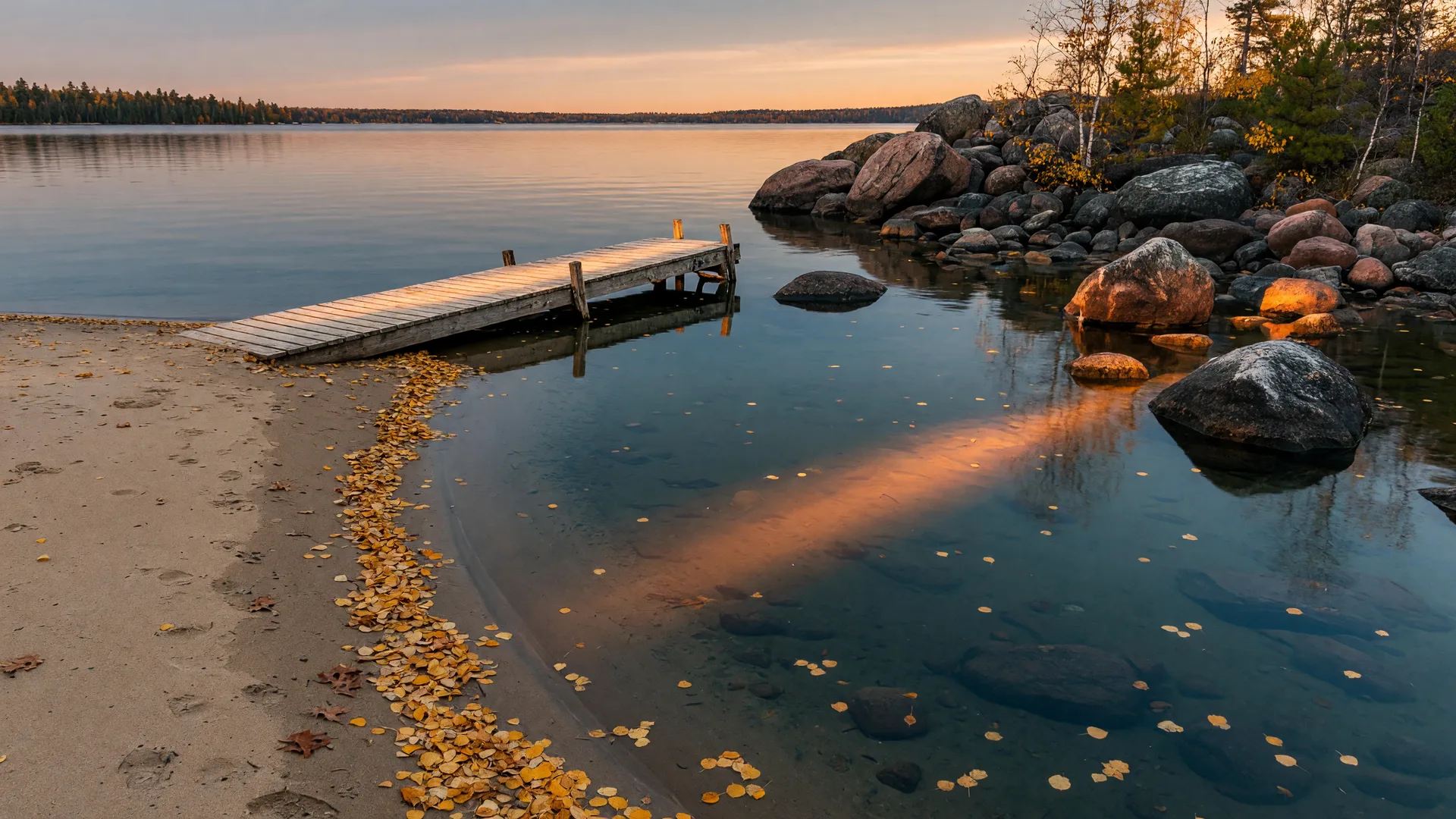
The type of shoreline a lake home sits on tells you as much about its real value as the house itself. As a rule, sandy, gradual-entry shoreline with a clean bottom commands a premium over rocky or weedy frontage, often by a wide margin, because it is simply easier to use. But rock is not automatically a problem, and this fall's low water on Gull Lake has made shorelines unusually visible, which makes it a good season to learn how to read one properly.
This guide covers what sandy versus rocky shoreline actually means for price and daily life in the Brainerd Lakes Area, when rock is fine, and what to check at a showing before you make an offer.
Why Sandy Shoreline Commands a Premium
Buyers are not paying for sand itself. They are paying for what sandy, gradual-entry shoreline makes possible: a place for the kids to wade in without drop-offs, a bottom you can walk on, a clean swimming area, and a spot where a boat can nose up to the dock without scraping. On comparable lake homes, that kind of usable shoreline routinely sells for a meaningful premium over rocky or weedy neighbors, with estimates in the general range of 15 to 20 percent depending on the lake and the lot.The same logic explains why water clarity is a value driver too. A well-known study of Minnesota lakes found that a one-meter increase in water clarity can add roughly $46 per foot of lake frontage. Clear water and a sand bottom tend to go together, and buyers notice both when they are comparing two properties on the same water.
Frontage matters, but the quality of that frontage matters just as much. A lot with 150 feet of sandy, gradual shoreline will typically outsell a lot with 150 feet of steep, rocky frontage, because the usable part of the water is what you actually live on.
When Rocky Shoreline Is Fine
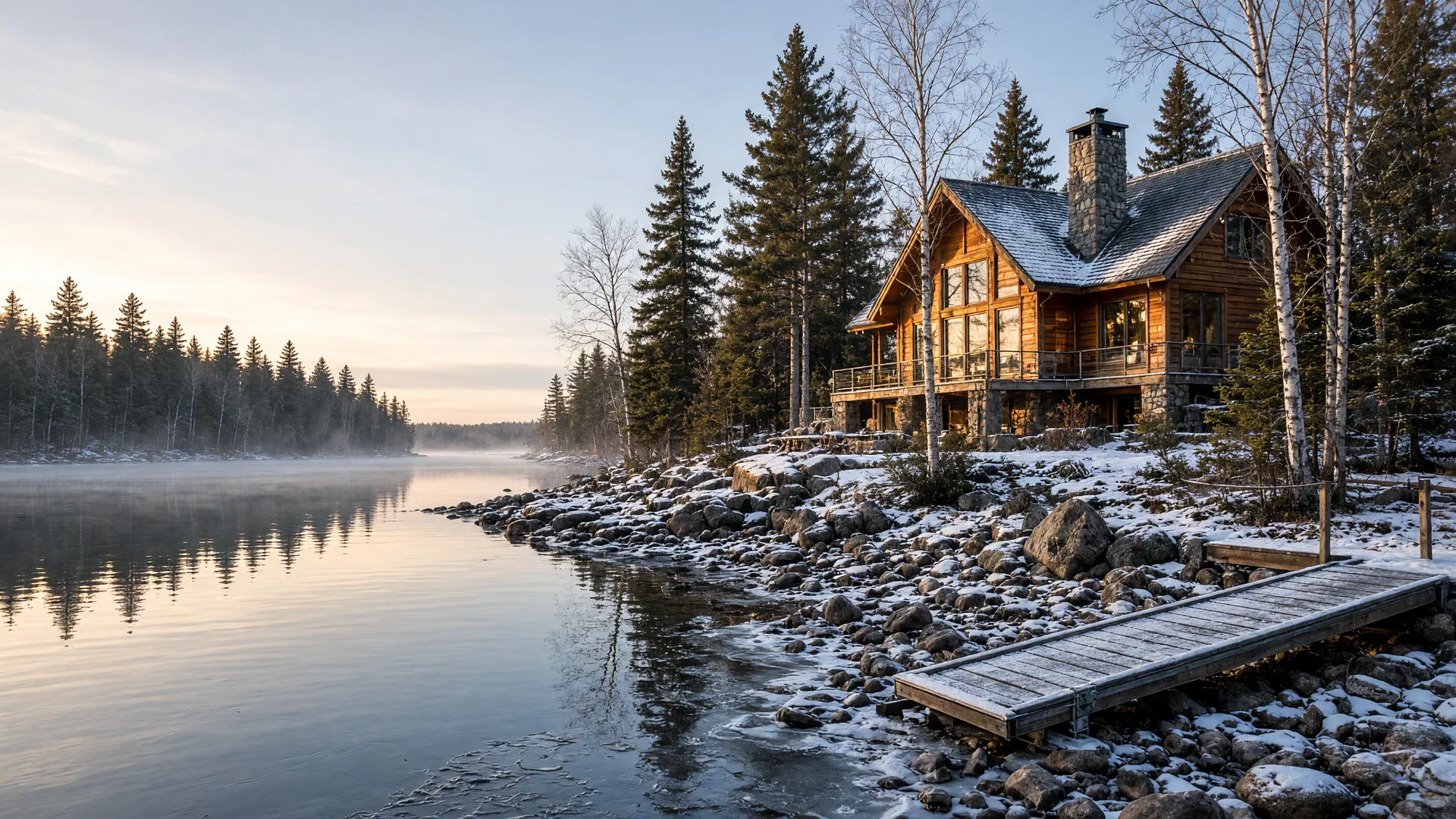
Here is where the honest advice comes in. A rocky point is not automatically a bad property, and on some lakes it is the best shoreline available. Deep water right off the rocks is a gift for boaters, because you can tie up a larger boat, keep a lift in deeper water, and avoid the shallow, weedy bays that sand tends to collect in. Some of the best fishing and docking setups in the Brainerd Lakes Area sit on rock or gravel, not sand.The question is never simply sand versus rock. It is how that particular shoreline works for how you will use the property:
What a Low-Water Fall Reveals About a Shoreline
A low-water year is one of the best inspection tools a lake buyer gets. When the level drops, the lake shows you things it hides in a normal year: the real depth at the dock, the shape of the bottom, the bank condition, and where the rocks and stumps actually sit.Gull Lake ran roughly four inches below its usual summer target through much of 2026, with the Army Corps of Engineers holding releases at a minimum for months and the level still receding from evaporation. On the practical side, that meant floating docks were fine, fixed docks needed more sections to reach deep water, and some shallow ramps got harder to use. On the buyer side, it meant shoreline that is normally underwater was exposed, and you could finally see the bottom you would be anchoring your summer to.
If you are touring lake homes this fall, that exposed shoreline is information. Use it:
What to Check Before You Offer
Before you write an offer, you want answers about the shoreline that photos will never show you:The Bottom Line
Sandy, gradual-entry shoreline is the benchmark on Minnesota lakes, and it usually costs more because it is easier to live on. But the real value question is whether the shoreline fits how you will actually use the property. A deep-water rock point can be the right buy for a serious boater, while a long sand beach is worth paying up for if you plan to spend your summers in the water with kids and grandkids.When you are comparing properties, put the lake and the shoreline ahead of the house, because the house can be changed and the shoreline usually cannot. That is the honest lens we use on every lake-home decision, and it is exactly the kind of thing worth understanding before you make an offer you cannot take back.
Have Questions About Lake Property?
We help buyers and sellers navigate lake-home decisions with clarity and local expertise. Let's talk about your situation.