How Close Can You Build to the Water? Minnesota Shoreland Rules for Lakeshore Buyers
Minnesota shoreland rules decide how close you can build, add on, or rebuild on a Brainerd Lakes lot. Setbacks, the 25 percent cap, and what to check before you offer.

Noah Goedker
Elevate Group · eXp Realty
If you are looking at a lakeshore property in the Brainerd Lakes Area, one of the first practical questions is also one of the most consequential: how close to the water can you build, add on, or rebuild? Minnesota's shoreland rules answer that question, and they are measured from the ordinary high water level (OHWL) rather than from where the lawn happens to end. The state minimums, the county's own standards, and the lake's classification all play a part, and a lot that looks like it has room for a garage or a primary suite addition may have no buildable envelope left at all.
Settling this before you write an offer protects you from the most expensive kind of surprise: buying a cabin for the plan you have in mind, then learning the plan is not allowed. This is the second of our four pillars in action. Understand the property first, because the lake and the lot set the rules, and the house has to work inside them.
The Number That Governs the Property: The Ordinary High Water Level
Minnesota's shoreland rules (Minnesota Rules chapter 6120) apply to land within 1,000 feet of a lake and within 300 feet of a river or stream. Structure setbacks, sewage treatment systems, and impervious surfaces are all measured from the OHWL, the elevation the DNR establishes as the ordinary high water mark for that water body.That detail matters when you are standing on a dock. A lot can look generous from the water and still be tight once the setback line is drawn, especially when the cabin was built decades ago and sits closer to the shore than today's rules would allow.
Setbacks Change With the Lake Classification
Minnesota classifies lakes as general development, recreational development, or natural environment, and the required structure setback grows with the classification. Under the state minimums in Minnesota Rules 6120.3300:25 Percent: The Impervious Surface Cap
Setbacks are only half of the envelope. Shoreland rules also cap impervious surface, meaning roofs, driveways, patios, and other hard surfaces, at 25 percent of the lot area. On a compact lakeshore parcel, a wide driveway, a detached garage, and a large patio can add up faster than most buyers expect.The Crow Wing County guidance also limits patios inside the shore impact zone, which reaches inland to half of the structure setback and never less than 50 feet, to 250 square feet, with up to 400 square feet allowed where a stormwater plan is approved. If your plan involves a patio, a fire pit area, or a parking pad near the water, that limit is the one to check first.
Where the Septic System Sits
The septic system has its own setback from the OHWL, generally 50 feet, and it competes for the same buildable ground as an addition. On a tight lot, the space a replacement system needs can be the real limit on how much house you can add.Crow Wing County also requires a septic compliance inspection on property transfers, within 90 days of recording the deed, unless a valid inspection or certificate is already on file. A compliance inspection on an existing system is generally good for three years, and a system installed within the last five years is typically covered by its certificate of installation. Our guide to what buyers should know about a lake home's septic system goes deeper on this, and it is worth reading before you order any inspection on a property you are serious about.
Grandfathered Does Not Mean Flexible
A great many Brainerd Lakes area cabins were built before the current standards, which means they are legal nonconformities. That is common and not a red flag by itself. What it does mean is that any change gets reviewed against the standard, expansions are often limited, and moving a wall toward the water can require a variance rather than a permit.This is where buyers and sellers most often talk past each other. A seller saying the lot has room for an addition, or that a neighbor added on, is not documentation. The county file is.
Cities and Counties Can Be Stricter Than the State
Minnesota's shoreland rules are minimums. Cities around the lakes, including Crosslake, Nisswa, Breezy Point, East Gull Lake, and Lake Shore, administer their own land use and shoreland rules, and Crow Wing County and Cass County apply their land use controls outside city limits. The practical answer for any parcel comes from the local office that would issue the permit, not from the state rulebook alone.How to Check Before You Offer
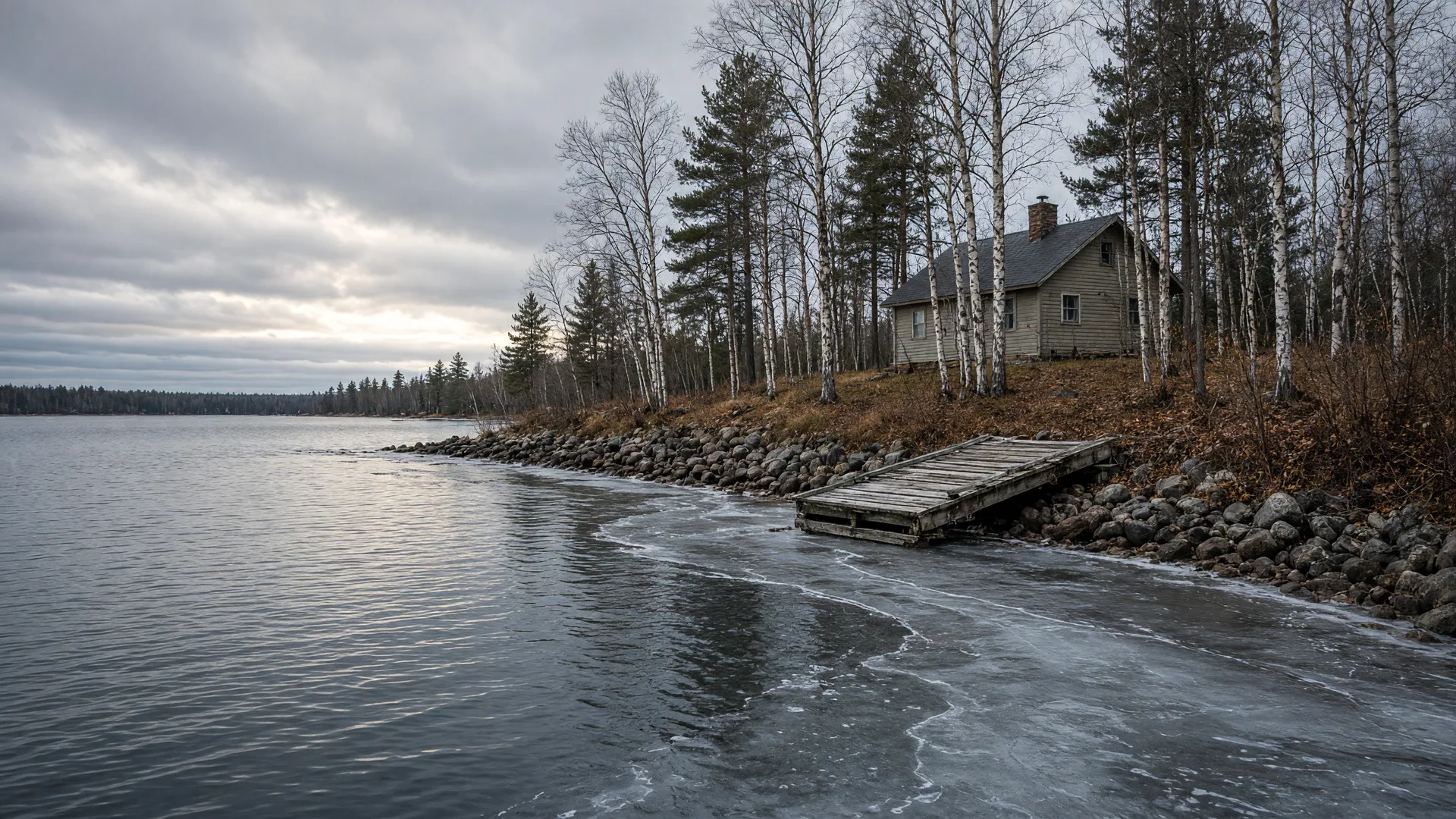
On a property you are seriously considering, ask for the permit history and any variances on record, and confirm the lake classification and the setback line with the county or city before the inspection period runs out. Look closely at where the existing structure, the septic system, the well, the driveway, and any outbuildings actually sit, because each one is competing for the same ground.Late fall is an honest time to do this. The leaves are off the trees, the shoreline is visible, and the county offices are not buried in summer permit traffic, so questions get answered quickly. If you are buying over the winter with a spring plan in mind, getting the buildable envelope documented now means your first spring decision is about a project, not about whether the project is possible.
What This Means for the Plan You Have in Mind
If you are buying a lake home to use as it sits, the shoreland rules still shape your insurance, your septic timeline, and your resale. If you are buying with an addition, a garage, or a rebuild in mind, the rules decide whether the property fits your plan at all. Either way, the house is only part of the product, and the lot is where the value and the limits both live.Choosing the right lake, understanding the property, and knowing the real value all come before the offer. If you want a second opinion on what a specific shoreline lot will and will not allow, schedule a conversation, browse our lake home guide for the broader buying picture, or read what to inspect before buying a lake home. Cheers!
Have Questions About Lake Property?
We help buyers and sellers navigate lake-home decisions with clarity and local expertise. Let's talk about your situation.