Closing on a Lake Home Before Freeze-Up: A First-Winter Checklist for New Brainerd Lakes Owners
Closing on a Brainerd Lakes lake home this fall? Here is what to do before freeze-up: septic certificate, plumbing, heat, dock, winter access, and your first-winter budget.

Noah Goedker
Elevate Group · eXp Realty
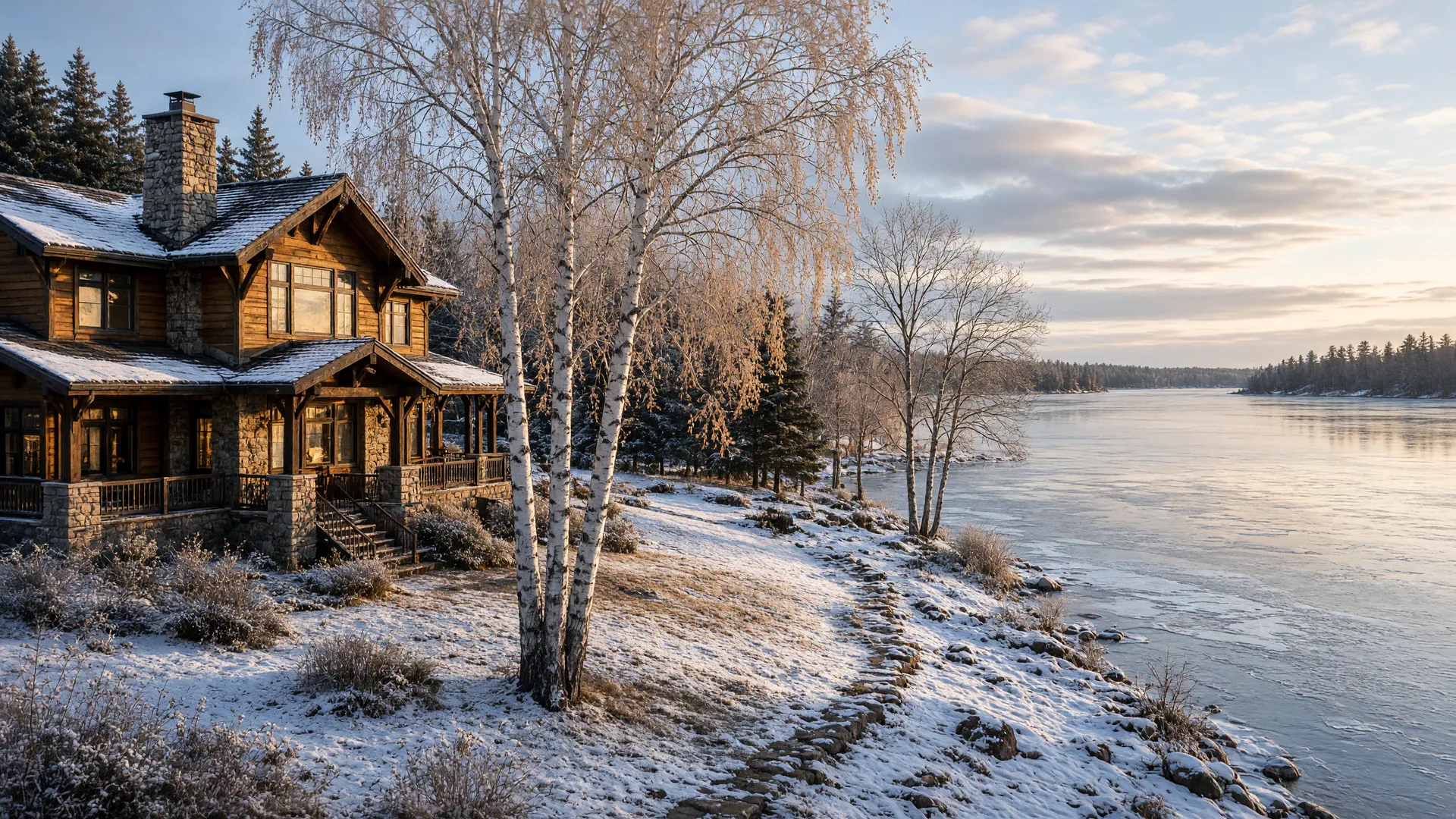
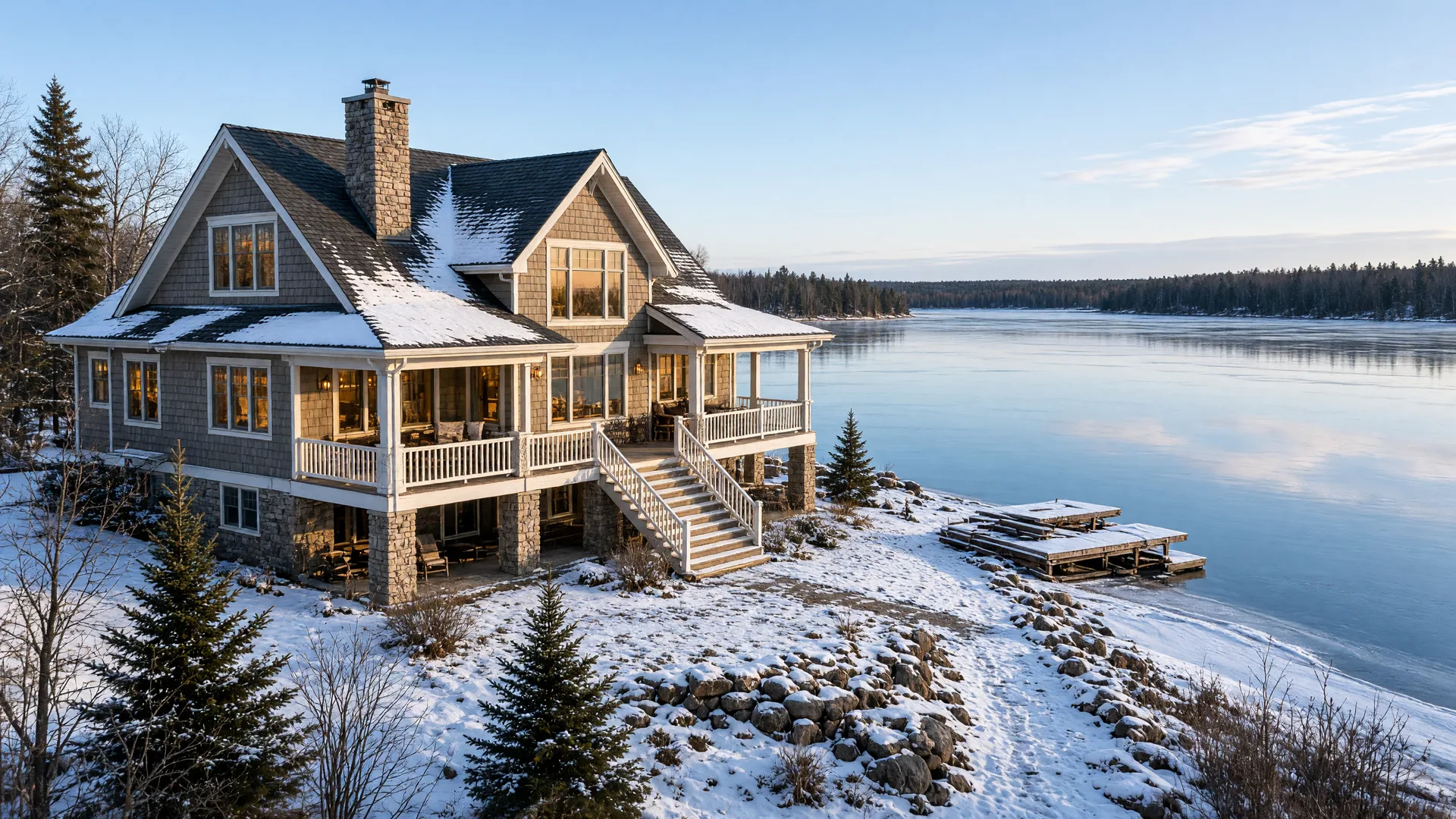
You found the lake home, you wrote the offer, and now the closing date is sitting on the calendar with the freeze right behind it. If you are closing on a Brainerd Lakes Area lake home this fall, the weeks between your closing date and freeze-up are some of the most important of your first year of ownership. Minnesota lakes typically lock up between late November and early December, which means an October or November closing gives you a narrow, honest window to winterize, verify, and budget before the snow flies. Work that window and your first winter is calm. Miss it, and you are learning what a burst pipe costs in January.
Start With the Septic Certificate
The single most expensive surprise a new lake-home owner can face is a septic system that fails. In Crow Wing County, when a sale is filed without a current certificate of compliance, an inspection is required within 90 days, and if that inspection lands in winter, a replacement dig waits for spring. Before you close, confirm a current certificate of compliance is on file, and if it is not, make the timing part of the negotiation. Our guide to lake-home septic systems walks through what the file should contain.Winterize the Plumbing Before the First Hard Freeze
A seasonal lake home gets its water system closed for winter: drain the lines, blow them out, add antifreeze to the traps, and shut off and drain the water heater. If the seller already winterized the property, you are taking it over closed, and you need to know exactly what was done and by whom. Ask for the winterization record in writing. If the water is still on, plan your own winterization in the first week after closing. This is not a spring job. It is a before-freeze job.Verify the Heat Before You Rely on It
Whether you plan to keep the heat on all winter or just visit on weekends, confirm the heating system was serviced and actually fired. A furnace that has not run since spring can hide a cracked heat exchanger, a dead ignitor, or a fuel tank that ran dry. Check the service records, confirm the fuel or electric service agreement, and decide in advance whether you are keeping the property heated, partially heated, or fully winterized, because each choice changes the plumbing plan.Pull and Store the Dock, Lift, and Boat
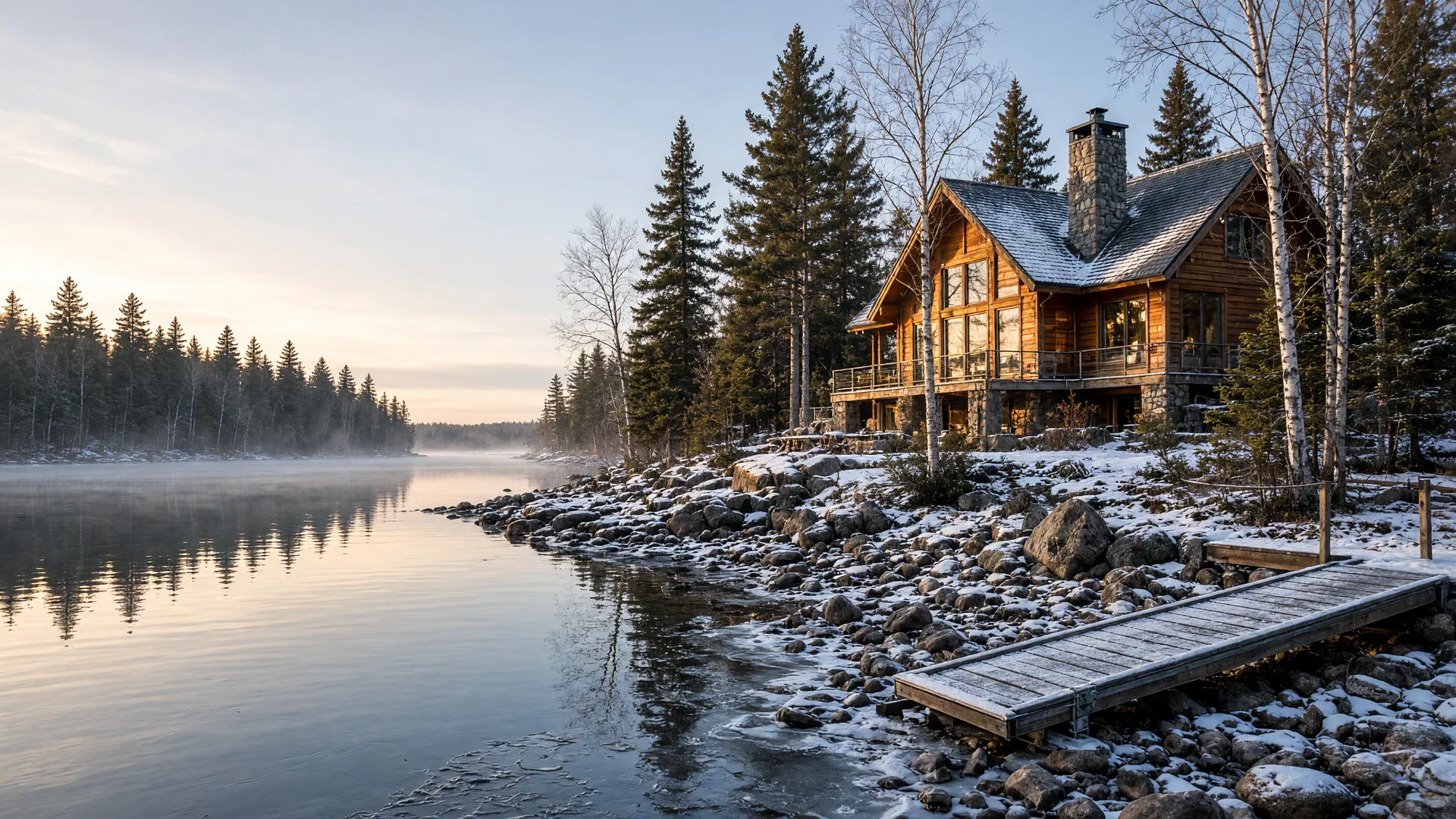
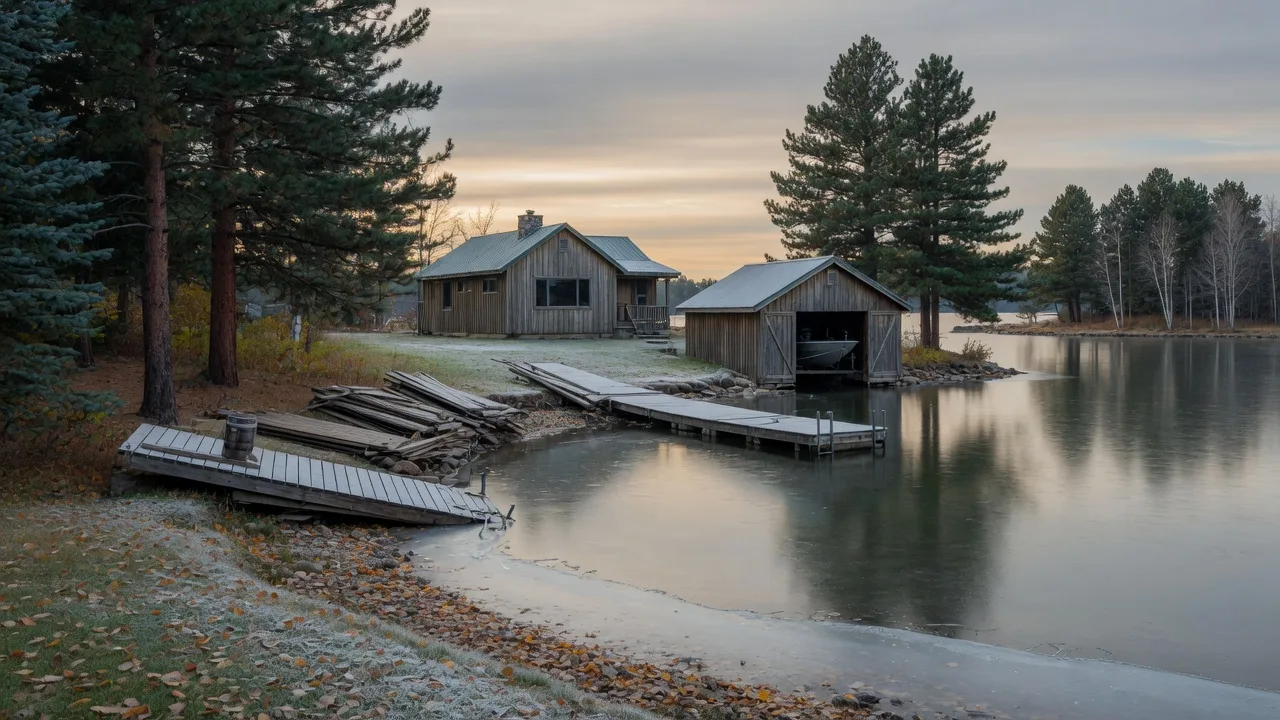
Docks and boat lifts are expensive, and ice does not care. If the dock is not already out, arrange to have it pulled, cleaned, and stored before the lake freezes, and do the same for the lift and anything left on the water. This is also the moment to inventory what stays with the property. Docks, lifts, and boats are often negotiated separately from the house, and what stays with the house is worth clarifying at closing, not in March.Walk the Shoreline While You Still Can See It
Late fall is the last honest look at the shoreline you will get until spring. The leaves are down, the bank is exposed, and the water level shows you the real depth at the dock. Walk the whole frontage and note erosion, steep drop-offs, rocky sections, and how the dock comes out and goes back in. Take photos now, from the water and the bank, because February will not show you any of it. Our fall showing checklist covers what a late-season look at the property reveals.Sort Out the Road and the Driveway
Year-round lake living stands or falls on winter access. Confirm whether the road is county, township, or private, who plows it, who pays, and what happens in a heavy snow year. Ask neighbors about the driveway, the plow service, and how the hill or the narrow spot handles a real storm. This practical detail decides whether a February visit is a quick drive or an adventure, and it is one reason lakes with established year-round communities hold their value.Budget the Annual Costs, Not Just the Purchase Price
Your first winter is also when the real annual costs become clear: heat, plowing, insurance, winterization each year, dock and lift maintenance, shoreline upkeep, and property tax on the water you now own. Before closing, run the annual budget honestly. The true cost of owning a Minnesota lake home lays out what to plan for, and it is the best defense against the January surprises that catch new owners off guard.The Bottom Line
Closing before freeze-up is an advantage when you treat the weeks after closing as part of the transaction. Choose the right lake and the right property for how you will actually use it, understand the septic, plumbing, heat, dock, and road before the snow flies, and know the real value of both the purchase and the annual cost of owning it. Do that, and your first Minnesota winter at the lake is the season you planned for, not the one that plans you.If you are closing this fall, or still deciding between properties, schedule a conversation and we will walk through your closing timeline and first-winter to-do list together. You can also browse current Brainerd Lakes Area listings and start with the questions that matter before you write an offer. Cheers!
Have Questions About Lake Property?
We help buyers and sellers navigate lake-home decisions with clarity and local expertise. Let's talk about your situation.