Fishing the Whitefish Chain from Crosslake: Walleye, Muskies, and Public Access
Fourteen connected lakes, walleye egg-take history, and a 54-inch muskie rule: what anglers should know about fishing the Whitefish Chain from Crosslake.

Noah Goedker
Elevate Group · eXp Realty
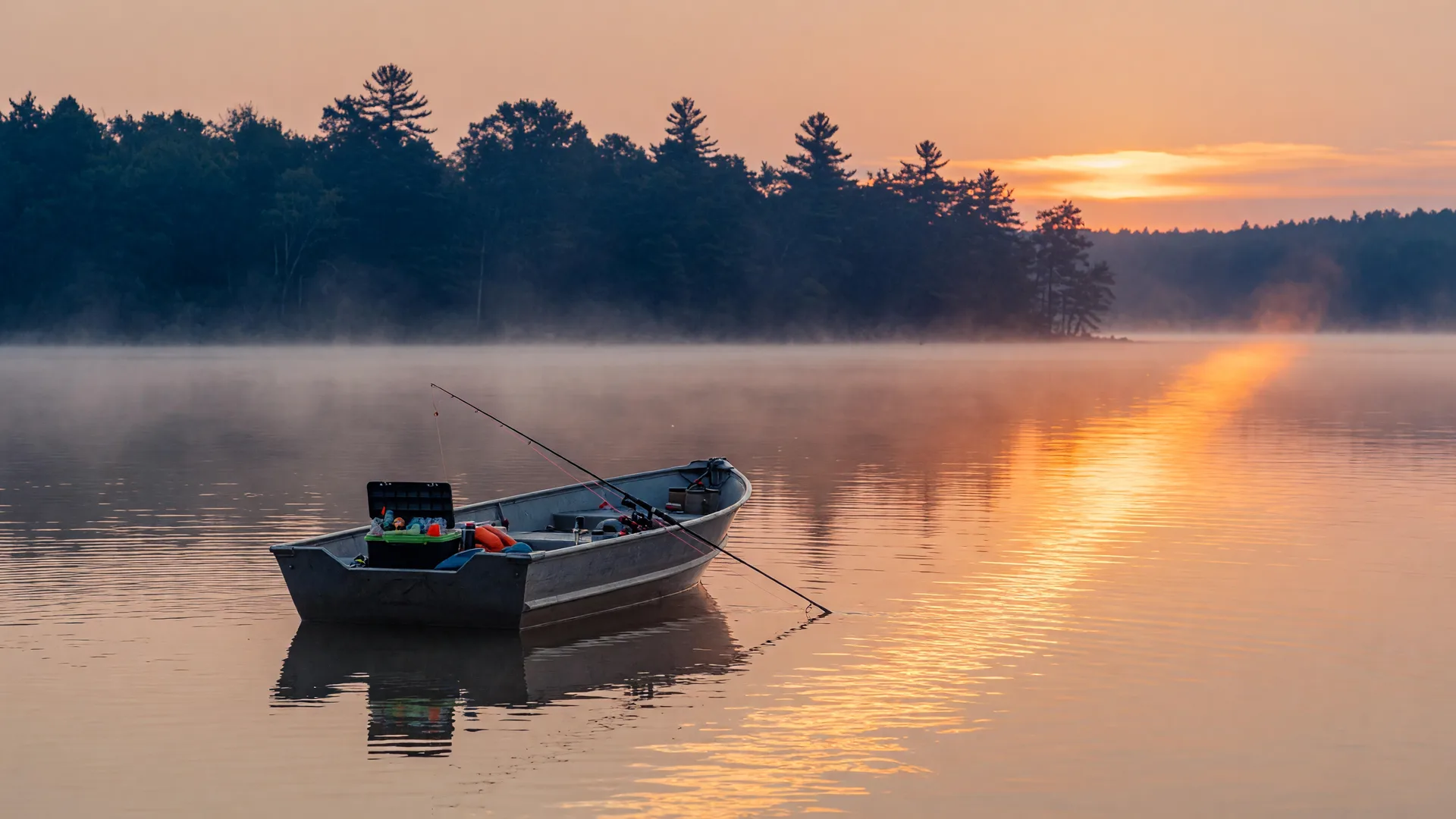
If you buy on the Whitefish Chain, the fishing arrives with the property. Fourteen connected lakes totaling roughly 14,000 acres, with water that reaches about 138 feet deep in Lower Whitefish, make this one of the most serious fisheries in the Brainerd Lakes Area, and Crosslake is the natural base for it. The chain holds walleye, muskie, bass, northern pike, and panfish, and public boat accesses sit scattered around the connected lakes, which means a resident can fish a different spot all season without trailering far.
What's in the Water
The Whitefish Chain is managed like the working fishery it is. Whitefish Lake is a DNR primary walleye egg-take site, where the state collects eggs each spring for its hatchery system, and fry and fingerlings are stocked back into Whitefish and connected lakes like Cross Lake. In a strong season the chain's walleye work has supplied roughly 90 million eggs, which tells you how central this water is to Minnesota's walleye program. For anglers, that management shows up as a consistently healthy walleye population across the chain.The chain also carries muskies, and Minnesota's statewide 54-inch minimum size rule means most muskie encounters are catch-and-release by law. Bass, northern pike, crappie, and panfish round out the mix, so there is something to chase in every season.
Where the Public Accesses Are
Public boat accesses sit on several of the connected lakes, including spots on Cross Lake, Upper Whitefish, Clamshell, Pig, and Big Trout. A few accesses sit along narrows where current moves, and that matters in two ways: they can be convenient shortcuts between lakes, and they can hold thinner ice in winter. The practical rule for newcomers is to treat each access like its own small lake and check conditions before launching.What Chain Fishing Means for Residents
What Buyers Should Ask
The Bottom Line
The Whitefish Chain is a serious fishery with the management history, fish populations, and public access to back it up, and Crosslake sits at the practical center of it all. For buyers who plan to fish, the chain is a genuine asset, one that pays off season after season in ways a spreadsheet never captures.We help buyers match the right spot on the chain to how they actually fish and boat. Start with boating the Whitefish Chain from Crosslake, take a look at living in Crosslake, and schedule a day on the water when you are ready. Cheers!
Have Questions About Lake Property?
We help buyers and sellers navigate lake-home decisions with clarity and local expertise. Let's talk about your situation.