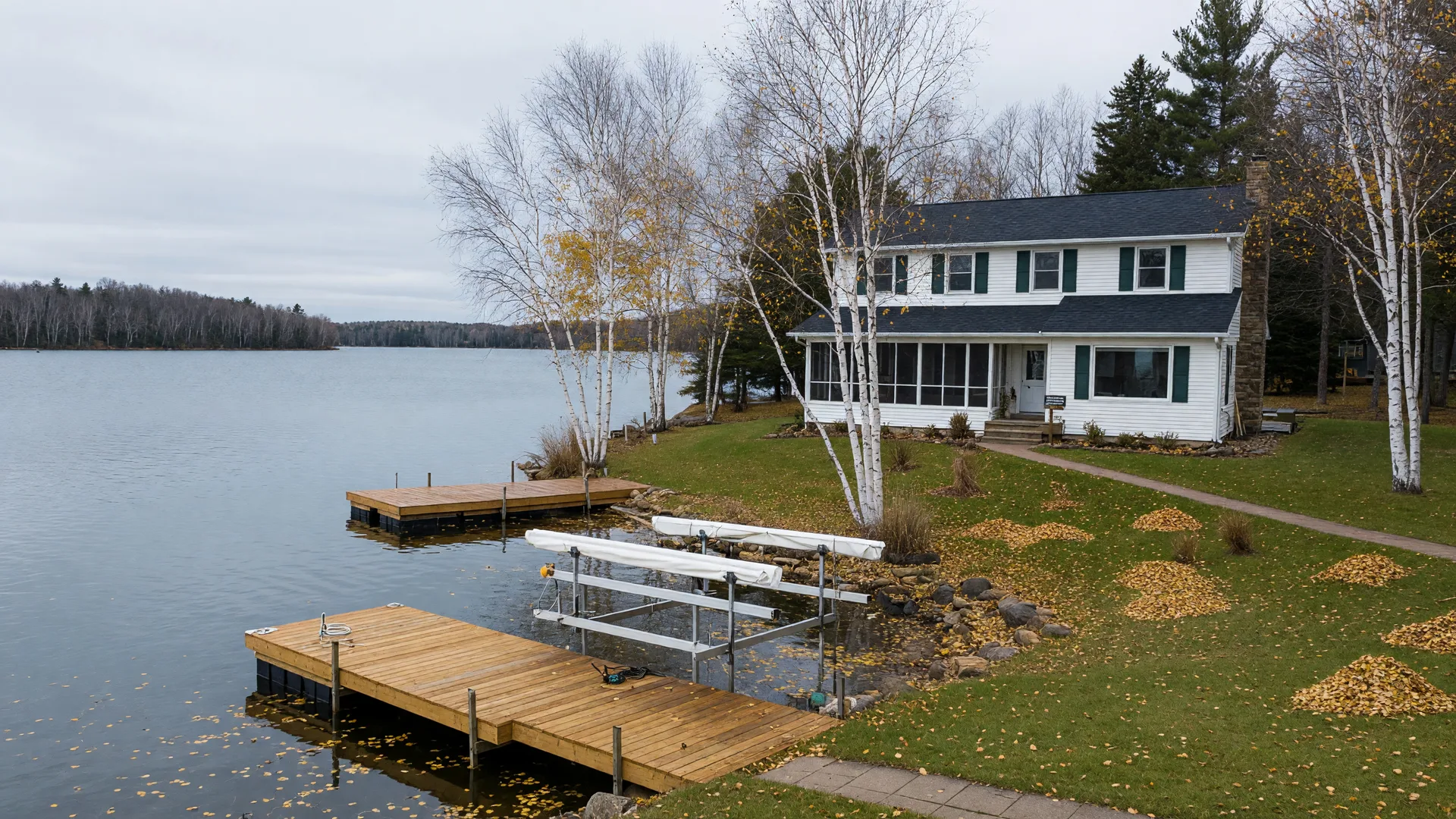
The Flanders Fire: What the May 2026 Wildfire Taught Crosslake Lake-Home Owners
A roughly 1,700-acre wildfire southeast of Crosslake in May 2026 forced evacuations and closed County Road 11. What happened, what locals learned, and what buyers should ask.

Noah Goedker
Elevate Group · eXp Realty
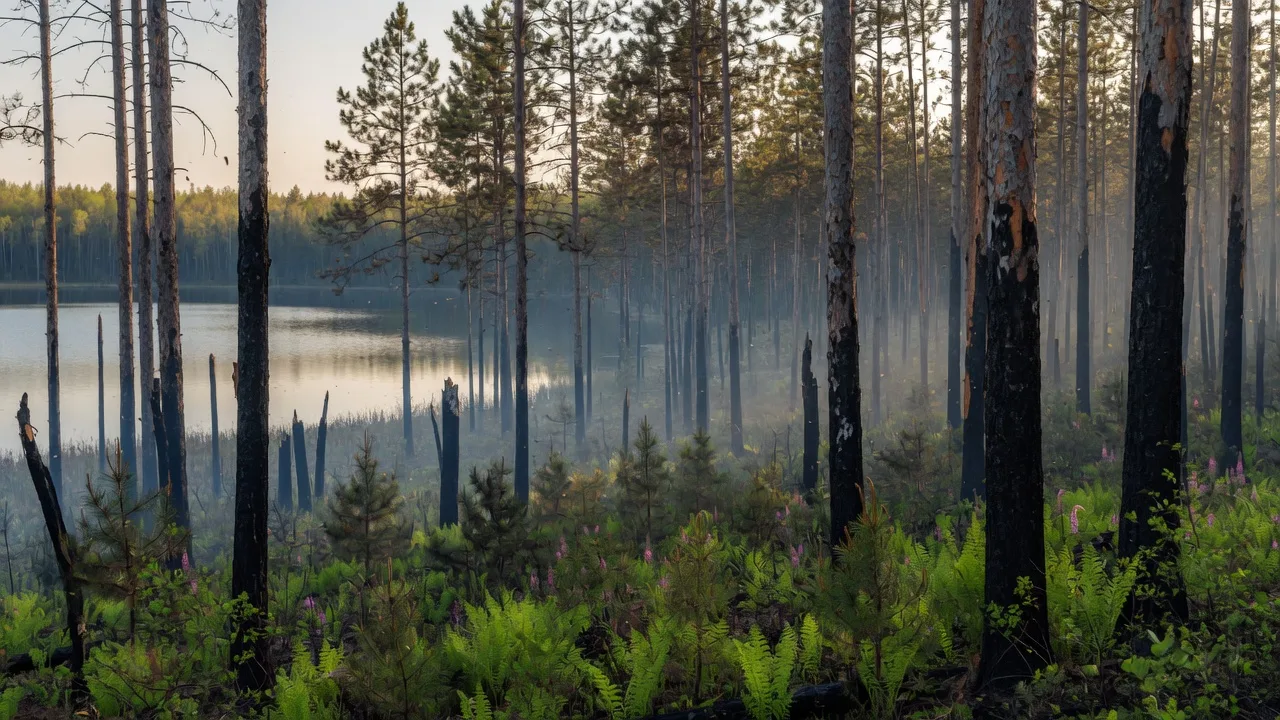
The biggest news Crosslake saw in 2026 was not a resort or a development. It was the Flanders Fire, a wildfire that started near Flanders Lake in mid-May and grew to roughly 1,700 acres before crews contained it. For anyone who owns lake property or is shopping for it, the fire is worth understanding less for the drama than for what it revealed: wildfire is part of the risk picture even in lake country, and the way a community responds tells you a lot about living there.
What happened during the Flanders Fire?
The fire began around 1 p.m. on Saturday, May 16, 2026, near Flanders Lake, roughly three to five miles southeast of Crosslake, in the forested country between Crosslake and Mission Township. Dry, windy conditions let it grow fast, from about 600 acres by Saturday evening to roughly 1,200 acres by Sunday morning, and it peaked near 1,712 acres before the Minnesota DNR declared it 100 percent contained on May 21. Evacuation orders went out to residents in the surrounding area, more than 100 firefighters responded, including crews from Canada, and a temporary flight restriction kept aircraft clear of the fire.Where was the evacuation area?
The evacuation order covered a broad rural pocket: from East Horseshoe Lake Road east to just past Fool Lake, and from County Road 11 just north of Flanders Lake south toward the Breezy Point and Mission Township area. County Road 11 itself was closed from County Road 3 in Crosslake east to State Highway 6 while crews worked. By late May, the DNR reported no hot spots for three straight days and handed the response back to local agencies.Why should lake-home buyers care?
Most people assume wildfire risk belongs somewhere else, in the western mountains or a different climate. The Flanders Fire is a reminder that a dry, windy spring can turn any forested landscape dangerous, and the country around the lakes is heavily forested. For buyers, the practical questions are not dramatic, they are concrete: how many ways can you get in and out of the property? Is the road maintained and wide enough for emergency equipment? How close is the nearest fire station, and which district covers the property? What does the surrounding land look like, open and maintained, or a dense mix of dry brush and pine?What should a seller do with this?
If you own lake property in the area, the fire is a good prompt to review your insurance, keep an emergency access route clear, and know how the property would be described honestly in listing materials. Sellers with good access and a defensible, well-kept lot have a story worth telling, and the buyers who ask the wildfire question directly are often the careful ones who close on time.The honest read
Crosslake is still the lake town people love, and the Flanders Fire did not change that. What it changed is awareness. The communities around the Whitefish Chain learned how quickly dry conditions can turn, and the response across the county showed how seriously the region takes it. For buyers, that is useful information, the kind that separates a considered purchase from an impulsive one. Ask the questions, understand the property, and you can move forward with confidence. The Crosslake community guide covers the town and the chain, and the buying guide walks through the checks that matter before any offer. Cheers!Have Questions About Lake Property?
We help buyers and sellers navigate lake-home decisions with clarity and local expertise. Let's talk about your situation.
More from the Blog
What $1 Million Buys You on the Whitefish Chain: A Pricing Reality Check for Fall 2026
Buying a Second Home in the Brainerd Lakes Area: What Twin Cities and Out-of-State Buyers Need to Know