01
Crosby September 18, 2026
Crosby's Mining History: The Cuyuna Range and the Milford Mine Story
Crosby's past is written in iron ore. The Cuyuna Range, the 1924 Milford Mine disaster, and the flooded pits that became today's recreation.

Noah Goedker
Elevate Group · eXp Realty
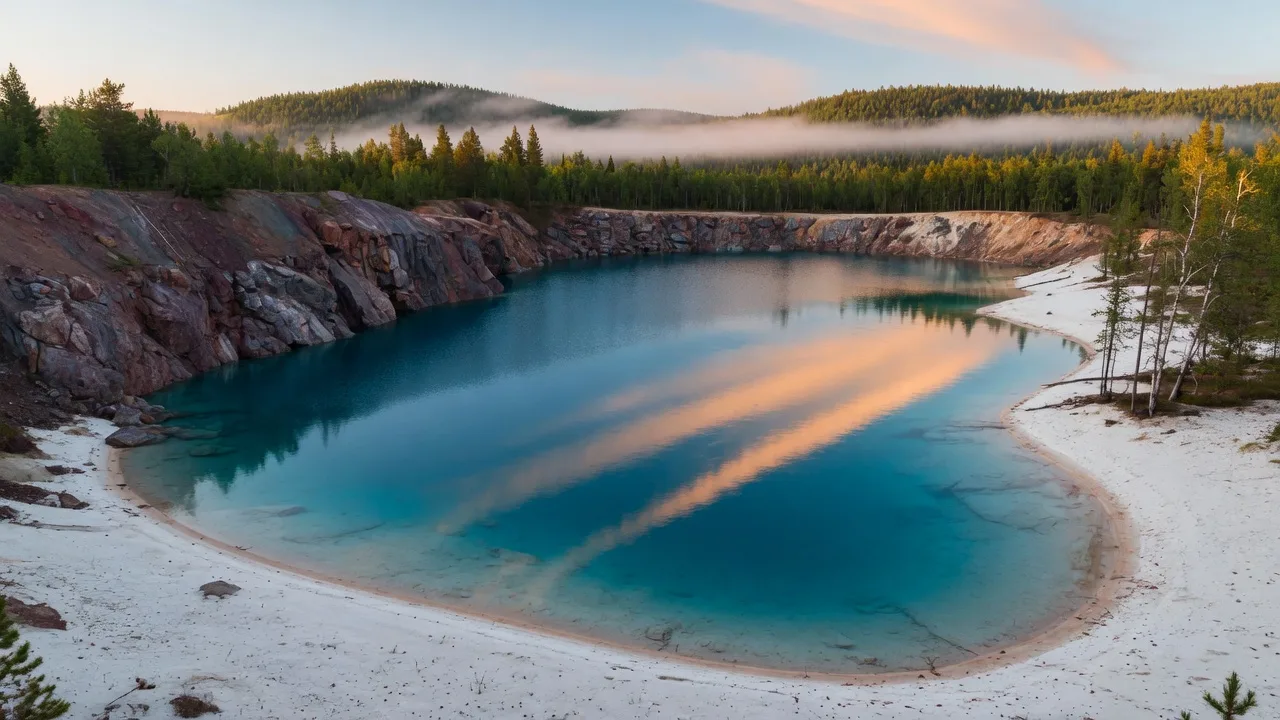
PLATE 01 — Clear turquoise water of a flooded former iron mine pit lake in the Cuyuna range
Crosby looks like a mountain-bike town now, but it was built by iron ore. The town sits at the heart of the Cuyuna Iron Range, the smallest and last of Minnesota's three major iron ranges, and the mining past is still visible in the flooded pits, the mine memorial, and the character of Main Street. Understanding that history makes today's Crosby, with its trails and clear pit lakes, make a lot more sense.
What Was the Cuyuna Iron Range?
Minnesota's iron story is usually told through the Mesabi and Vermilion ranges, but the Cuyuna range, the southernmost and westernmost of the three, has its own chapter. It was named for prospector Cuyler Adams and his dog Una, and mining began in 1907 with the Kennedy Mine north of Crosby. The range held the largest supply of manganese-rich iron ore in the United States, ore prized for making hard, durable steel, which made it strategically important during both world wars. Mining continued here for roughly seven decades: the Armor Number 2 mine near Crosby, the last operating underground mine in Minnesota, closed in 1967, and the range's final ore shipment left in 1982. The town of Crosby itself was named for George H. Crosby, a Duluth investor whose mining interests drove the region's economy for generations.What Happened at the Milford Mine?
On February 5, 1924, the Milford Mine, owned by George H. Crosby, suffered a surface cave-in that tapped directly into Foley Lake. Water flooded the underground tunnels within about 20 minutes, and 41 of the 48 miners working that day died, with only 7 escaping. It remains the worst mining disaster in Minnesota history, a fact the community has never let fade. A century later, the story is told at the memorial that bears the mine's name, and the date still carries weight in Crosby.Where Can You See This History Today?
The Milford Mine Memorial Park, a Crow Wing County park about four miles north of Crosby, marks the site, and the Milford Mine Historic District is listed on the National Register of Historic Places. Closer to town, the flooded mine pits that once sat at the edge of the range are now the region's signature recreation: their clear water, steep walls, and white sand are the same features cyclists and paddlers come for on the Cuyuna trails and Serpent Lake today. The mining era shaped the land, and the recreation era inherited it.How Does the Mining Past Shape Life in Crosby Now?
The past shows up in the town's identity. Crosby has a story no other lakes town can claim, and it wears it lightly: historic buildings on Main Street sit alongside new restaurants and coffee shops (covered in our guide to Crosby's Main Street dining), and the pit lakes that came out of the mining era anchor the outdoor scene. It is a place where the history is not a museum, it is the ground you ride over.The Bottom Line
Crosby's mine-pit lakes and trails did not happen by accident; they are the second act of an iron-mining town. The Cuyuna Range built the community, the Milford Mine taught it its hardest lesson, and the flooded pits gave it a future. For buyers, that layered past means a town with real character, real history, and recreation you cannot find anywhere else in the lakes area. Start with our Crosby community guide, read about Serpent Lake's summer scene, and schedule a call before your next visit to the Cuyuna country. Cheers!Have Questions About Lake Property?
We help buyers and sellers navigate lake-home decisions with clarity and local expertise. Let's talk about your situation.
02
More from the Blog
Buying
What $1 Million Buys You on the Whitefish Chain: A Pricing Reality Check for Fall 2026
Buying
Buying a Second Home in the Brainerd Lakes Area: What Twin Cities and Out-of-State Buyers Need to Know
Selling