Can You Inspect a Lake Home in Winter? What Frozen Ground Hides and What It Reveals
Winter changes what you can and cannot verify on a Brainerd Lakes Area lake home. Here is what frozen ground hides, what the cold reveals, and how to protect your offer.

Noah Goedker
Elevate Group · eXp Realty
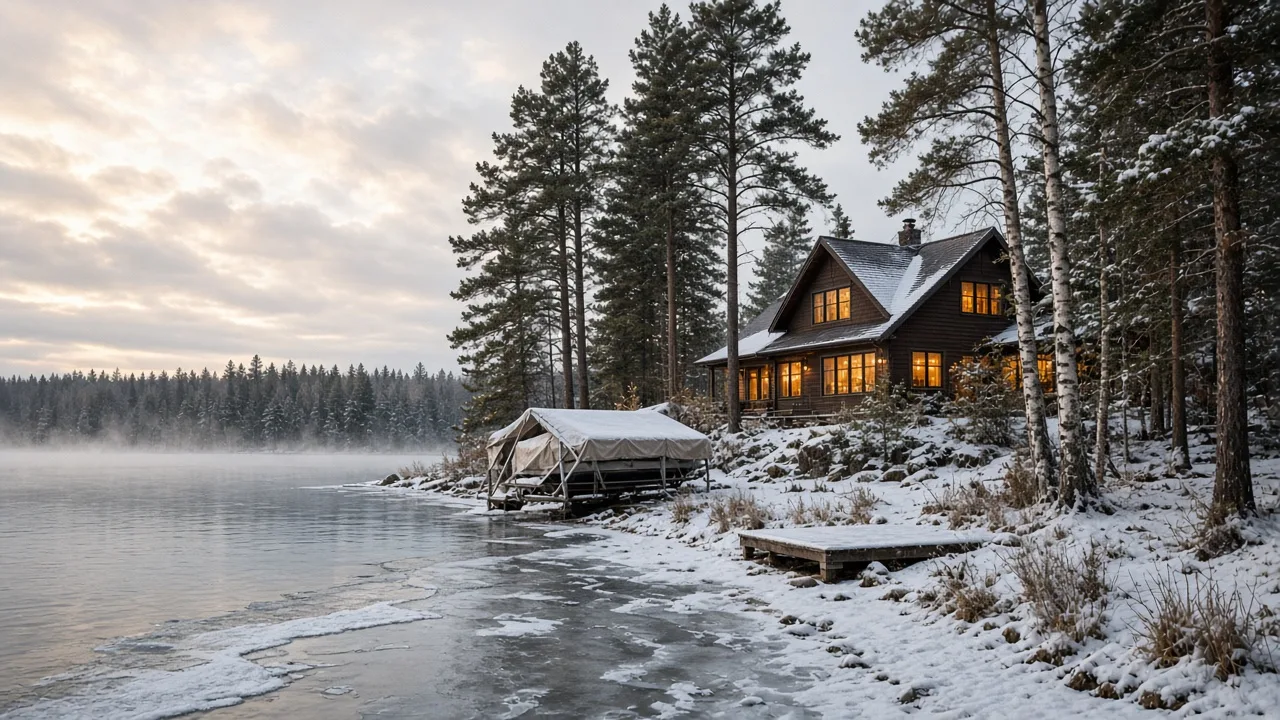
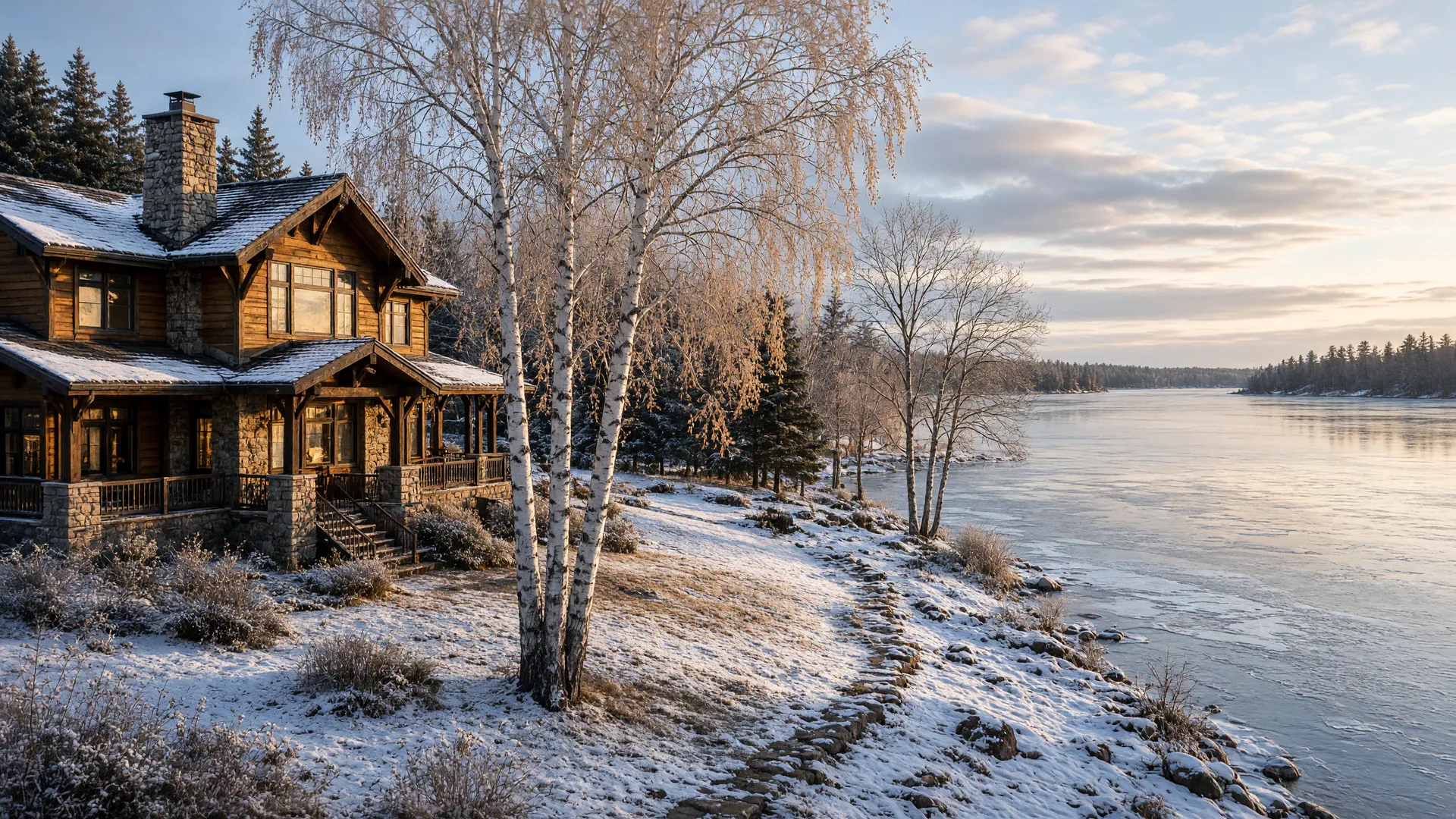
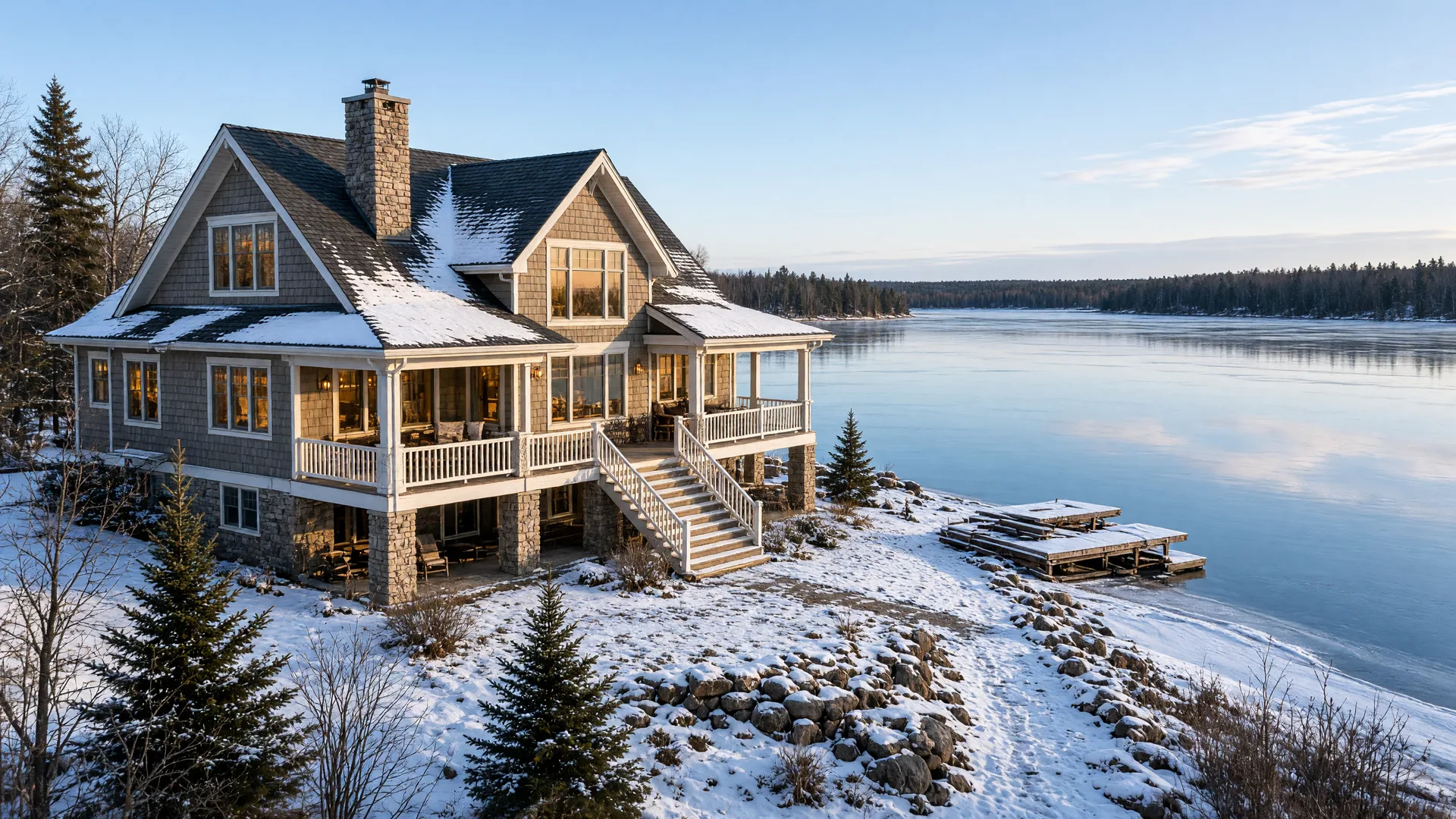
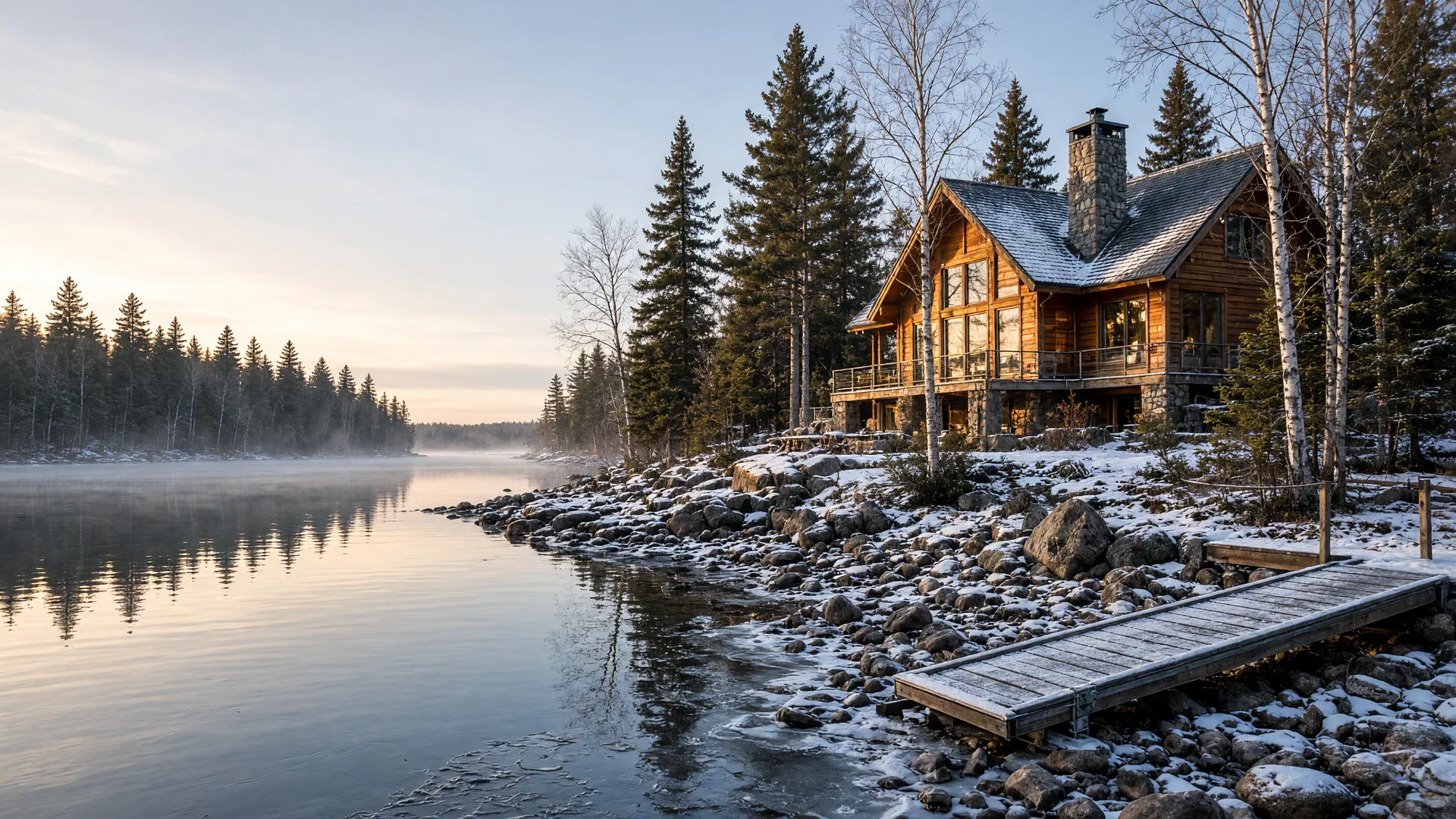
Can you buy and inspect a lake home in the Brainerd Lakes Area in winter? Yes, and many buyers do it every year. Home inspectors and licensed septic inspectors work right through the season, and the cold actually shows you things a July tour never can: whether the heat keeps up, whether the roof sheds snow properly, and whether the road gets plowed. The honest tradeoff is that winter also hides the parts of a lake property that set its value, which is why the smart move is knowing exactly what you are seeing, what you are not, and how to write an offer that covers the gap.
Why Winter Is the Season That Filters Buyers
Winter does not freeze the market; it filters it. Listings are fewer because many seasonal cabins come off the market until spring, and the buyers who keep touring are usually acting for a real reason: a relocation, a retirement date, or a home already under contract. That is a smaller pool, and a smaller pool means more negotiating room for the buyer who shows up prepared.The current market makes that room even wider. Crow Wing County scores around 34 out of 100 on the buyer's side of the scale, with active inventory near 407 homes in August 2026, up about 13 percent from a year earlier, and roughly three and a half months of supply. The median sale price held near $367,000, about flat year over year, while median days on market stretched to about 36 days, up 71 percent from a year ago. Statewide, lake properties have historically averaged around 73 days to sell in February, more than three times the summer pace, with lakeshore inventory running near ten months of supply through the winter. Translation: the serious buyer who does the homework has time, leverage, and a shorter list of competing offers. Our guide to whether winter is a good time to buy a lake home lays out the strategy in full.
What the Cold Actually Reveals
Winter is the only season that answers some of your most expensive questions for free:What Frozen Ground and Snow Hide
Here is the honest side of the season. Winter conceals the very features that set lake-home values:The Septic Rule That Can Delay a Winter Closing
This is the part out-of-area buyers rarely know until it costs them time. In Crow Wing County, a septic compliance inspection is required as part of a sale or transfer: on a property without a current certificate of compliance, the system must be inspected within 90 days of filing the certificate of real estate value or deed. The certificate has a shelf life, and the compliance inspection form itself must be reasonably current, which is why the file matters before you make an offer, not after.Historically the county offered a winter window to defer the inspection when the ground was frozen, and recent county action was reported to tighten that practice. That means you should plan on the septic inspection happening as part of your transaction rather than assuming you can push it to spring. A replacement system on lake property commonly runs in the tens of thousands of dollars, so a current certificate of compliance is worth far more than its paper. A few other Minnesota counties allow buyers to escrow funds and finish the inspection after spring thaw, but in Crow Wing County the requirement belongs to the sale itself. Your Realtor and the county office can confirm the exact current policy, and our guide to lake-home septic systems explains what a healthy file should contain.
How to Protect Your Offer When You Can't See the Water
Winter buying rewards a buyer who works a checklist instead of an impulse. Here is the short version:Make the Move With Your Eyes Open
The four questions that should drive every winter decision are the same four that drive a summer one: which lake is right, what the property truly is, what it is really worth, and whether the numbers make sense. Winter just makes you work harder on the first three, because the lake, the shoreline, and the septic are harder to see. That is not a reason to wait. It is a reason to be deliberate.If you are ready to shop the Brainerd Lakes Area this winter, bring us the list and we will help you separate what the season reveals from what it hides, with current listings and same-lake sold data to back it up. Schedule a conversation, browse the lake homes active right now, or read up on private wells on lake property before you book the tour. Cheers!
Have Questions About Lake Property?
We help buyers and sellers navigate lake-home decisions with clarity and local expertise. Let's talk about your situation.