Brainerd 2.0: How Brainerd Schools Is Right-Sizing for Fewer Students
Brainerd Public Schools is drafting "Brainerd 2.0" to right-size buildings as enrollment declines, with community input open through late October 2026. What it means for families.

Noah Goedker
Elevate Group · eXp Realty
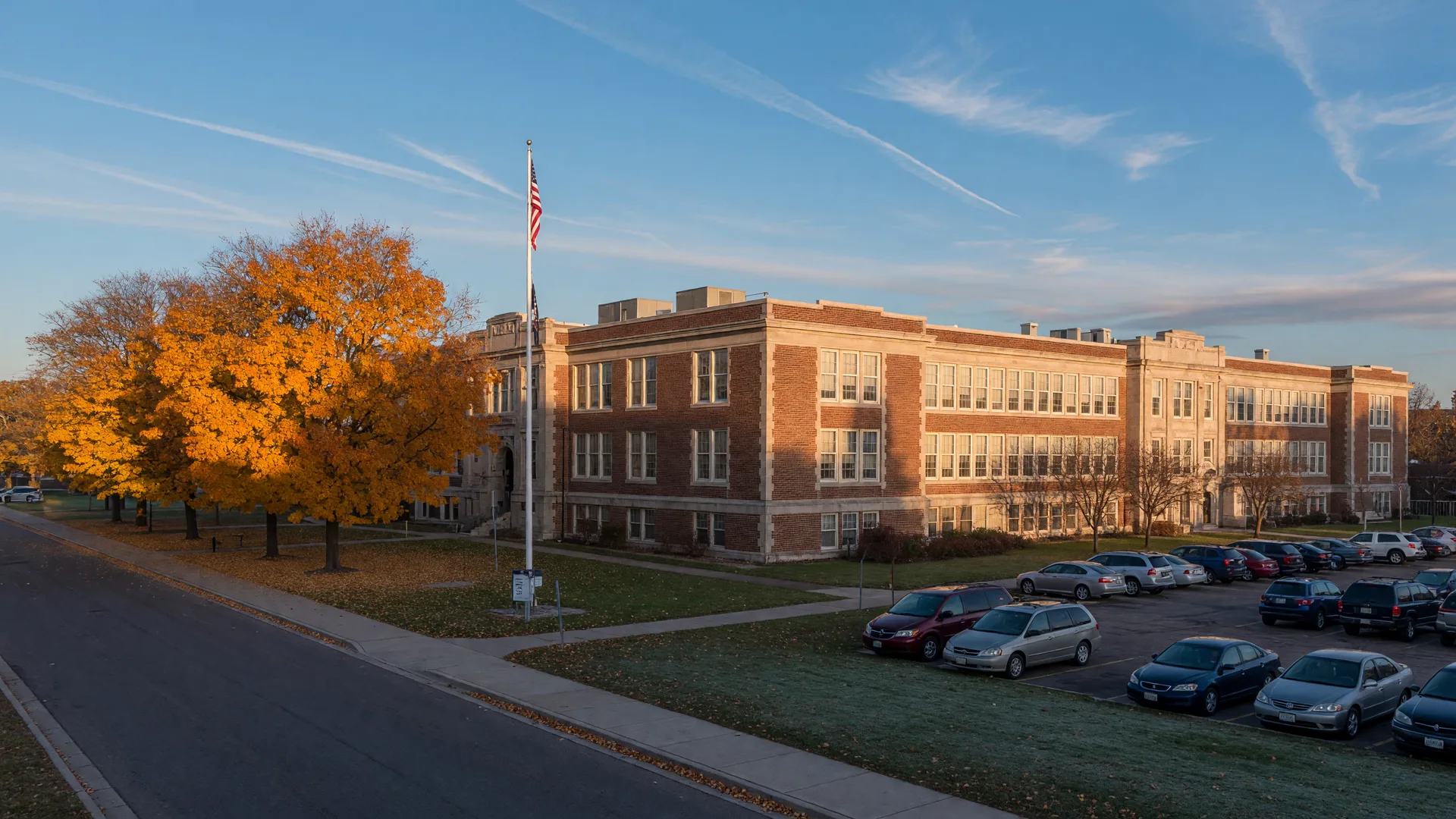
Brainerd Public Schools is working through a long-range plan the district calls "Brainerd 2.0," and the headline is straightforward: there are simply fewer students coming through the doors. The district is comparing roughly 319 kindergartners against about 450 high school seniors, a gap that shows up across the system as the largest graduating classes age out and smaller ones take their place. The plan is still a draft, and the district spent October 2026 gathering community input before any buildings change.
Why Is Brainerd Schools Right-Sizing?
Declining enrollment is not a Brainerd-specific problem. Districts across greater Minnesota are seeing the same pattern as rural birth rates fall and some families choose other areas. The practical effect is that Brainerd is maintaining buildings built for a larger student body than it now has. Right-sizing is the district's word for matching its physical footprint, staffing, and programs to the enrollment it actually projects, rather than continuing to heat, staff, and maintain space that is not being used.What Is in the Draft Plan?
Under the "Brainerd 2.0" proposal, the district is weighing several building-level changes, all still under discussion rather than final:What Does This Mean for Families Moving to Brainerd?
For a family considering a move, this is worth reading carefully. Brainerd remains a full K-12 district with strong programs and activities, and our guide to living in Brainerd covers the town those schools sit in. The changes under discussion are about aligning buildings with enrollment, not cutting programs, and the community process is the point: the district is asking what families want before it decides. The related operating levy question is separate, and we explain it in our levy guide.The Honest Read
A district willing to publicly rethink its buildings, survey its community, and talk about declining enrollment in plain terms is a district engaged with its real situation rather than pretending otherwise. For buyers, that kind of honest planning is a better signal than a district ignoring the numbers. The buildings may change in the coming years, and the plan is designed so the schools that remain work well for the families who are there.If you are comparing school districts as part of a move to the Brainerd Lakes Area, schedule a conversation and we can talk through what the changes mean for your timeline, or start with our relocation guide. Cheers!
Have Questions About Lake Property?
We help buyers and sellers navigate lake-home decisions with clarity and local expertise. Let's talk about your situation.