A Great House on the Wrong Lot Is Still the Wrong Property
Why the house is only part of a lake home's value: how shoreline, frontage, elevation, privacy, and the lot itself decide whether that beautiful cabin is a smart buy or an expensive mistake in the Brainerd Lakes Area.

Noah Goedker
Elevate Group · eXp Realty
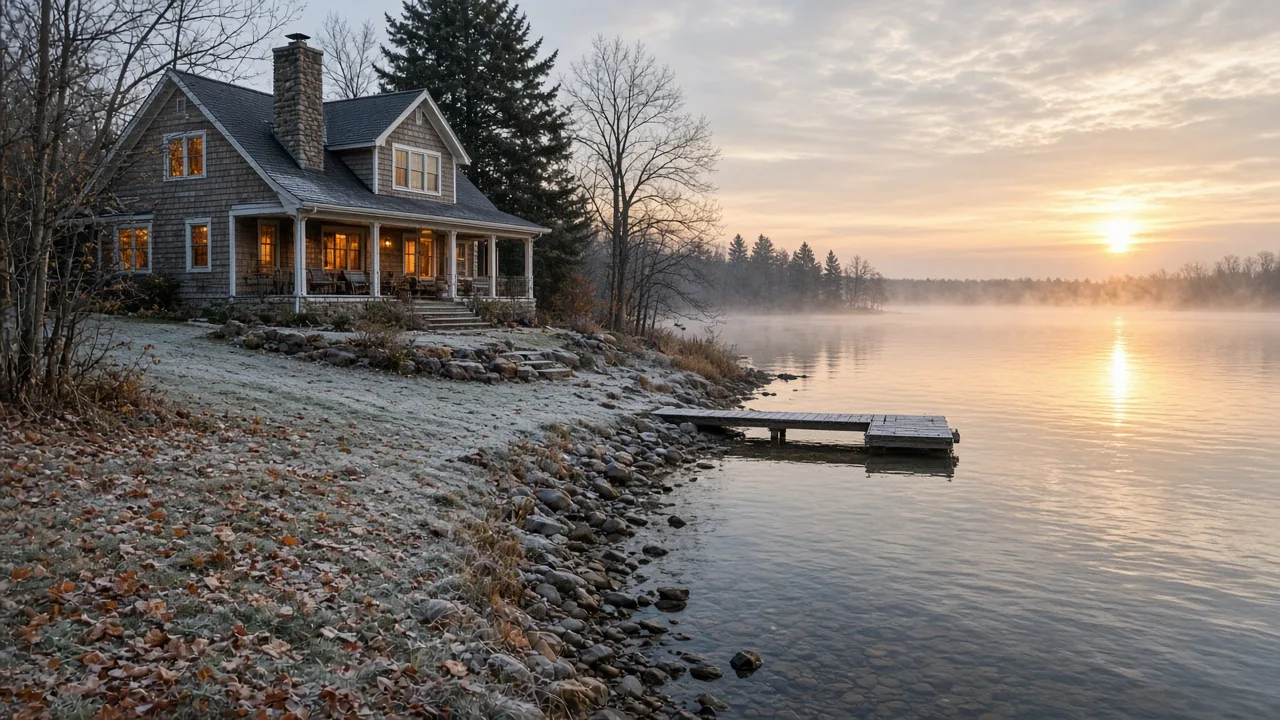
Every week in the Brainerd Lakes Area I show a house that makes people fall in love before they ever look at the lake. The kitchen is right, the deck faces the water, the bedrooms work, and the whole thing photographs beautifully. Then we walk down to the shoreline and the picture changes. The buyer stops talking, and I can see them running the math in their head.
The truth I try to get across early is simple but hard to keep in front of you once you sit in a great living room: with a lake home, the house is only part of the product. The lake, the lot, the shoreline, the elevation, the privacy, and the long-term resale appeal decide most of the value. A beautiful house on the wrong lot is still the wrong property, no matter how much you like the interior color.
Start With the Lot, Not the House
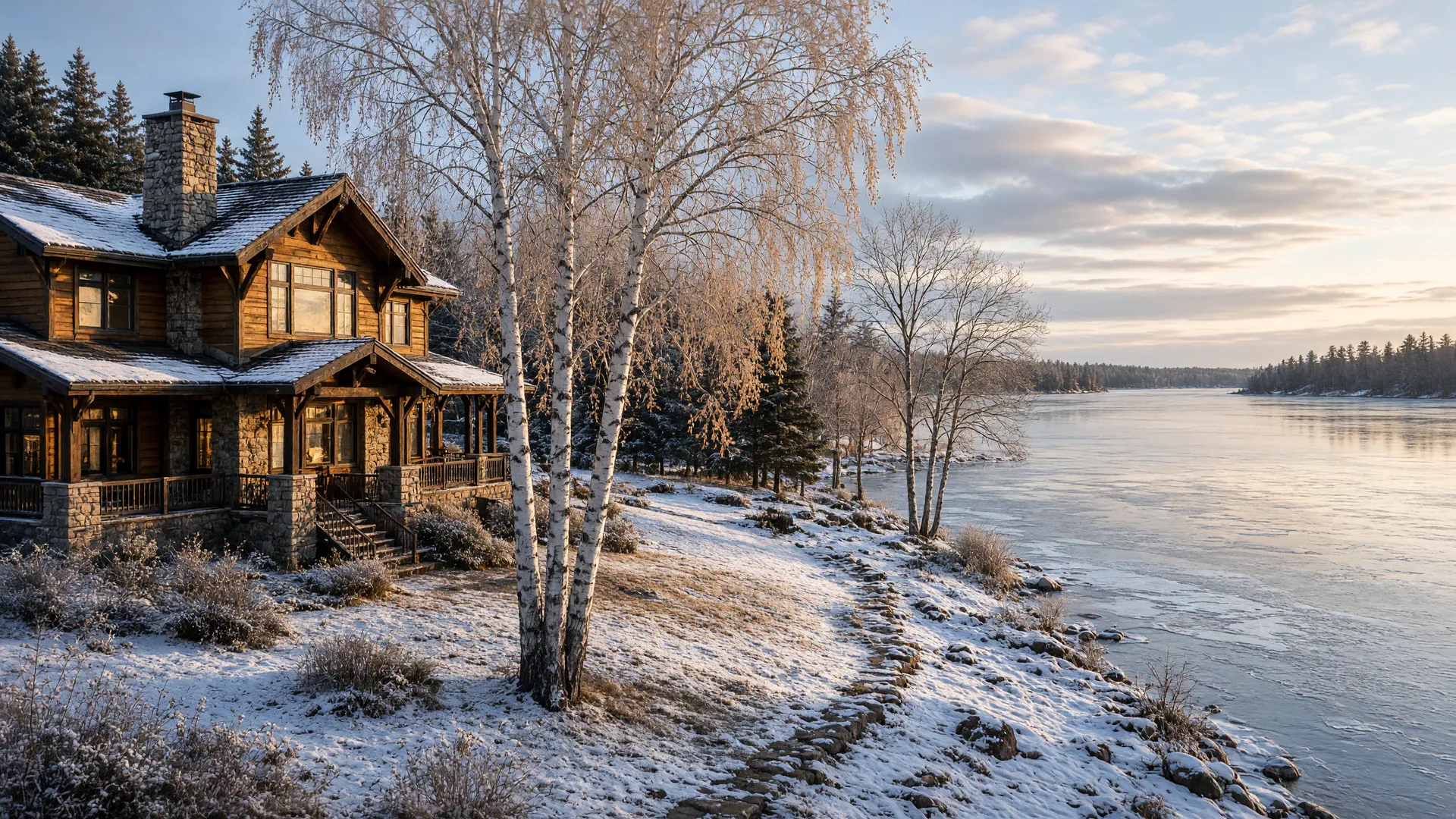
The most expensive mistake I watch buyers make is evaluating the house first and the lot last. That order is backwards. You can renovate a kitchen, add a bedroom, change the floor plan, and fix a dated bathroom. You cannot change the quality of the shoreline, how steep the lot is, how much frontage you own, or which lake the property sits on. Those are fixed before you ever arrive, and they drive more of the price than the square footage does.Next time you tour a lake home, walk the lot before you go inside. Stand at the water and look back at the house. Feel the grade from the road to the shoreline and count the steps. Look left and right at the neighbors, how close their docks are, and what you can actually see from the water. That first five minutes tells you more about the property than the rest of the showing combined.
Shoreline and Frontage Are the Fixed Variables
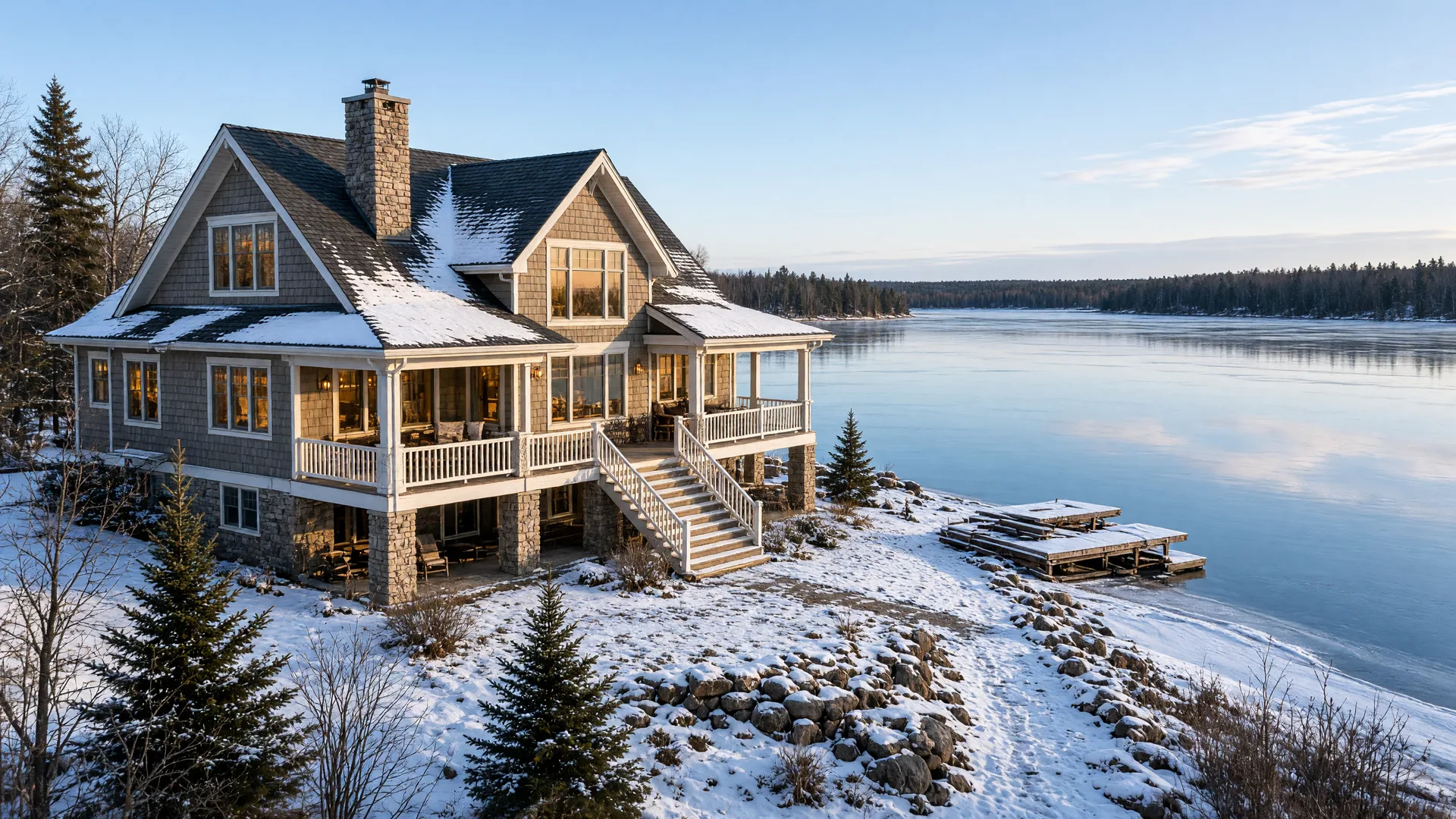
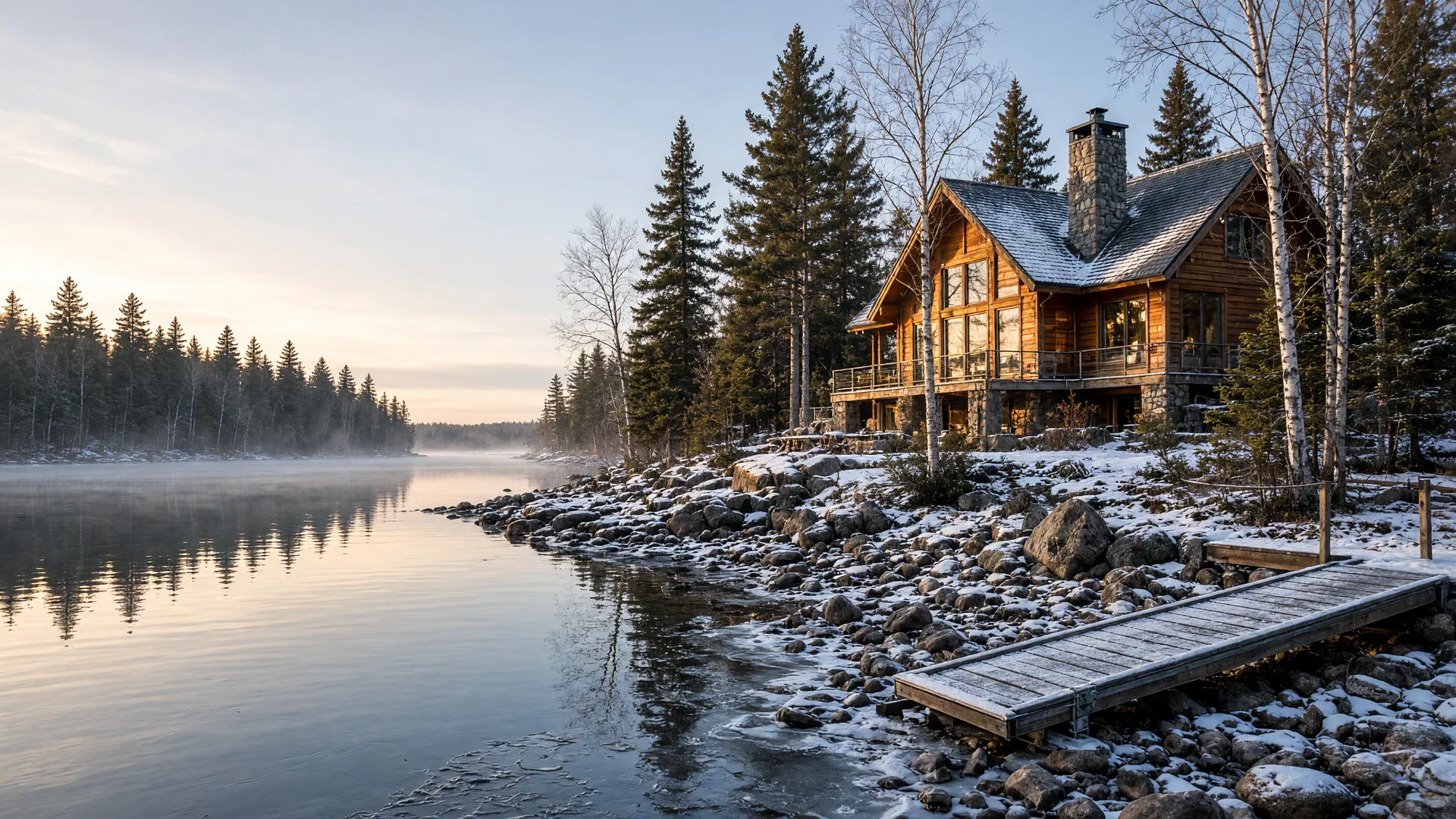
Shoreline quality is the single biggest value driver on a lake property, and it is exactly what listing photos struggle to show. Sand you can walk into versus a steep drop-off or a rock bed changes how usable the water is for a family, guests, kids, and a dock. Frontage matters too: fifty feet of shoreline on a big recreational lake is a very different property from a hundred and fifty feet, and it carries a very different resale following.Elevation is the quiet one. A level walkout lot that lets you use the whole yard and launch a kayak easily is worth meaningfully more to most buyers than a steeply pitched lot with a hundred stairs, even when the house itself is similar. Some buyers genuinely want a dramatic elevated lot with a wide view and are willing to accept the stairs. That is fine. Just know that a steep lot narrows your buyer pool at resale and often takes longer to sell.
What Is Missing Is Harder to Fix Than What Is Present
A great house can hide a weak lot for a while. At a showing, the interior does most of the talking, and it is easy to talk yourself into the property while ignoring the water. But the future buyers of that same home will go through the exact same exercise, and the lot is what will show up in their calculations, their inspections, and their offers.That is why I spend so much time with my lake sellers on pricing and positioning. If we are listing a property with strong shoreline and a level lot, the whole story leads with the water and the setting. If the lot is the weaker part of the equation, we price and position it honestly from day one, because good marketing cannot permanently overcome a real gap between what the property offers and what the asking price asks buyers to believe.
A Few Things to Check Before You Write an Offer
When you find a house you like, slow down and evaluate the property, not just the photos:The Right Lot Will Carry a Good House
Here is the comforting side of this rule: a good house on a great lot almost always works. You can update the interior over time, and the lot keeps carrying the value. The reverse is risky, because no amount of renovation turns poor shoreline, weak frontage, or an awkward lot into the property you thought you were buying.When you are comparing lake homes this fall, in a market with more inventory to look at, resist the pull of the prettiest interior and keep coming back to the lot. It is the part of the property that is hardest to change, the part that decides resale, and the part I can help you read honestly before you commit a serious amount of money. That is the difference between buying a house on the water and buying the right lake property.
Have Questions About Lake Property?
We help buyers and sellers navigate lake-home decisions with clarity and local expertise. Let's talk about your situation.